
Mexico City rewards planning more than most capitals. It sprawls across sixteen boroughs at over 7,000 feet, so where you base yourself, how you pace the first day, and how you move around shape the whole trip. The airport recently tightened its rules on ride-hailing, museums close on Mondays, and afternoon storms arrive on a schedule in summer. You'll decide which neighborhood fits, when to come, and which day trips earn a full day. These Mexico City travel tips cover the practical calls that first-time visitors most often get wrong.
Mexico City Travel Tips for Getting Around
From Mexico City International Airport (MEX), the reliable route into the city in 2026 is the authorized prepaid taxi booth inside arrivals, because the airport has restricted ride-hailing pickups at its terminals. A fixed-zone taxi to Roma Norte runs roughly 300 to 380 pesos and takes 30 to 90 minutes depending on traffic.
Buy the ticket at the official booth inside arrivals, and never accept a ride from someone approaching you in the terminal, per the AICM airport authority. Uber and DiDi still work for the trip back to the airport, just not for pickups there, and the rule is being contested, so check the current status before you count on it. Confirm your terminal too, since T1 and T2 aren't within walking distance. One more trap: some flights use Felipe Ángeles (AIFA) instead, about 50 kilometers north and a much longer transfer.
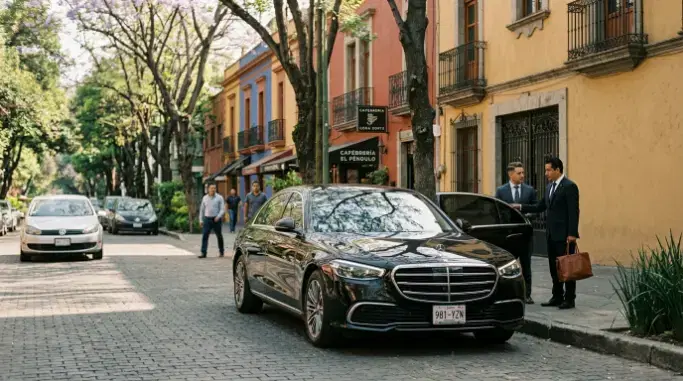
For families with luggage or late arrivals, a pre-booked airport transfer through Transpovia gives a fixed price and a driver waiting past the crowd. For the full route breakdown, see How to Get From Mexico City Airport to Roma Norte Easily. Once you're in the city, the Metro is fast and costs about 6 pesos a ride, Roma Norte is walkable, and for taxis you should use Uber or DiDi rather than hailing on the street. Carry pesos for fares and tips.
Choosing Your Base: Roma Norte and Beyond
For a first visit, Roma Norte is the easiest base. It's walkable, safe, and packed with the city's best independent restaurants, cafes, and galleries, with Metro Lines 1 and 9 and the Metrobús close by. The trade-off is that it's the most tourist-heavy of the central neighborhoods, which means higher prices and a less local feel.
Condesa sits just west, leafier and quieter around Parque México, about a 15-minute walk away and a good fit for families. Polanco is the upscale choice, with fine dining and the Anthropology Museum nearby. Centro Histórico offers the best value and puts you steps from the Zócalo and Palacio de Bellas Artes, though it's busier and noisier at night.
For a more local, slower pace, Coyoacán's cobblestone streets and plazas surround Frida Kahlo's Casa Azul, though it sits farther from the center. Both Roma and Condesa were rebuilt after the 1985 earthquake, which shaped their low-rise, tree-lined character.
Altitude, Weather, and the Best Time to Visit
Mexico City sits at about 7,350 feet, higher than Denver, so take the first day slowly, drink extra water. Most visitors feel normal within two days. The best months to come are February through April, when the weather is dry and mild and the jacaranda trees bloom purple across the city.
March and April bring the finest conditions, with daytime highs around 24 to 27°C and cool evenings, ideal for long walks and day trips, though prices and crowds peak. February is the quieter, cheaper sibling. Summer, from June through September, is rainy season, with clear mornings and intense afternoon storms, so front-load outdoor plans and let the rain clean the air later.
One detail worth knowing: winter temperature inversions sometimes trigger air-quality alerts, so anyone with respiratory sensitivity should check the city's air index during a December-to-February trip. The high-altitude sun is strong year-round, making sunscreen a daily habit rather than a beach-only one.
Things to Do Without Wasting a Day
A smart Mexico City itinerary works around one rule most visitors learn the hard way: nearly all museums close on Mondays. Plan your indoor sights for other days and save Monday for neighborhoods, markets, and parks.
The Museo Nacional de Antropología ranks among the world's great museums and deserves about three hours; it sits in Chapultepec Park near the Castle and the free Museo Soumaya. In the Centro Histórico, you can walk between the Zócalo, the Metropolitan Cathedral, Templo Mayor, and Diego Rivera's murals inside the Palacio Nacional, where you'll need ID to enter.
Frida Kahlo's Casa Azul in Coyoacán sells out regularly, so book timed tickets online well ahead. For something different, the trajinera boats at Xochimilco make a festive afternoon on the old canals, but agree the hourly price before you step aboard. Confirm hours and tickets on official sites, since they shift.
Day Trips: Teotihuacán and Puebla
Two day trips stand out from the city. Teotihuacán's pyramids sit about an hour northeast and reward an early start, while Puebla, a colonial city two hours southeast, pairs grand architecture with some of Mexico's most celebrated food.
At Teotihuacán, arrive near opening to beat the heat and the crowds, and consider a sunrise hot-air balloon ride over the Pyramids of the Sun and Moon. Access rules to the pyramids themselves have changed in recent years, so check what's open before you go. Tourist buses run from the city's Terminal Norte, or you can join a guided tour.
Puebla is easy to reach by frequent ADO buses from the main terminals and is known for mole poblano, hand-painted Talavera tile, and the nearby town of Cholula.
Staying Safe and Fitting In
Roma Norte, Condesa, Polanco, and Coyoacán are the safest tourist areas, walkable day and night. The main risks are petty theft and pickpocketing on the crowded Metro and in Centro, so keep your bag in front of you and valuables out of sight.
Use Uber or DiDi instead of hailing street taxis, and stick to ATMs inside banks. If the earthquake early-warning alarm sounds during your stay, it's a normal part of city life, so stay calm and follow staff or locals. Drink bottled or filtered water rather than tap.
Paying in pesos usually beats paying in dollars, and a 10 to 15 percent tip is standard at restaurants. A few words of Spanish go further here than in the beach resorts, since English is less widely spoken. For current guidance, check your government's travel advisory before you travel.
Frequently Asked Questions
Can you use Uber in Mexico City?
Yes, within the city. But the airport restricted ride-hailing pickups at its terminals in 2026, so use the authorized prepaid taxi booth when arriving at MEX. Uber and DiDi still work for the ride back to the airport.
How many days do you need in Mexico City?
Three to five days suits a first visit. Three cover the main neighborhoods, museums, and food; five let you add Teotihuacán and Xochimilco without rushing between them.
Does the altitude in Mexico City affect visitors?
It can. At about 7,350 feet, some people feel mild headaches or fatigue at first. Drink extra water and most visitors adjust within about 48 hours.
Is Mexico City safe for tourists?
Central neighborhoods like Roma Norte and Condesa are safe and walkable. Watch for pickpockets on the Metro and in Centro, use ride-hailing apps over street taxis, and check your country's travel advisory.
Before You Go
Sort your airport ride before you land, take the first day slow for the altitude, and avoid scheduling museums on Mondays. Use Uber or DiDi rather than street taxis, carry pesos, and pack a little Spanish. For a fixed-price arrival with a driver waiting, a pre-booked transfer through Transpovia skips the taxi-booth line after a long flight.
"We based ourselves in Roma Norte, walked everywhere, and gave the first afternoon to slow tacos and a park instead of a big museum. By day two the altitude was a non-issue and the city just clicked." — a couple on their first trip to Mexico City


