
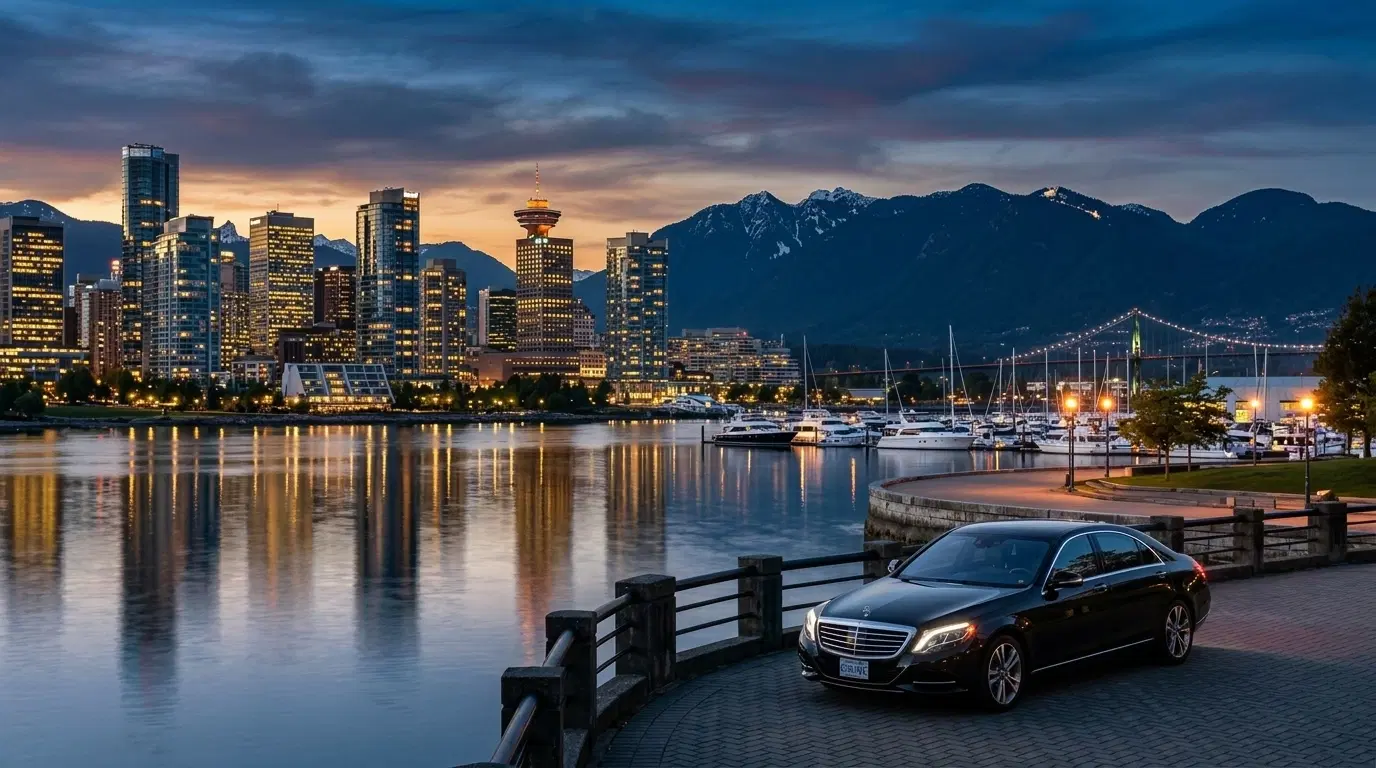
Vancouver packs mountains, ocean, and forest into one walkable city, and a good first visit comes down to reading the weather and picking your base well. The airport train drops you downtown in under half an hour, but rain shapes the calendar for much of the year, and some of the best outdoor spots sit across the water on the North Shore. You'll decide when to come, how to move around without a car, and which day trips earn the effort. These Vancouver travel tips cover the practical calls that help first-time visitors plan smarter.
Vancouver Travel Tips for Getting Around
The Canada Line SkyTrain connects Vancouver International Airport (YVR) to downtown in about 26 minutes, with trains every 6 to 10 minutes from early morning until roughly 1 a.m. The station sits right inside the terminal. A trip downtown runs around $11, because fares leaving the airport include a YVR AddFare surcharge.
That surcharge rose to $6.50 on July 1, 2026, and it applies only to trips starting at the airport, not to trips heading back to it, according to TransLink, the regional transit authority. It's also waived if you already hold a day pass. For payment, tap a contactless card or phone at the gate; you don't need a Compass Card for a short stay, and a daily fare cap applies automatically.
One easy mistake to avoid: when returning to YVR, board the train marked "YVR-Airport," since the Canada Line splits at Bridgeport Station. Around the city, the SkyTrain, SeaBus, and False Creek ferries reach nearly everything, so skip a rental car unless you're day-tripping to Whistler.
The train suits solo travelers and couples heading downtown. Families with luggage or late-night arrivals sometimes prefer a flat-rate taxi (about $36) or a private airport transfer through Transpovia straight to the hotel. For a full comparison of every route into the city center, see How to Get From Vancouver Airport to Downtown Vancouver Easily.
Plan Around the Rain, Not Against It
Vancouver sees rain on roughly 168 days a year, most of it between October and March, with November the wettest month. The rain rarely shuts the city down, so the smart move is packing waterproof layers and sturdy shoes rather than building an itinerary that assumes sunshine.
Locals handle wet days by grouping each day into a single neighborhood, keeping an indoor stop always within a few minutes. The Granville Island Public Market, the Vancouver Aquarium, the Museum of Anthropology, and the Vancouver Art Gallery all make strong rainy-day anchors.
Save Stanley Park and the seawall for the clear windows, which open and close quickly here. Even summer brings the occasional light drizzle locals jokingly call "Vancouver sunshine," so a compact jacket earns its place year-round. Don't try to drive between sights in the rain either, since traffic snarls fast and transit keeps you dry.
Stanley Park and the Seawall
Stanley Park is the city's outdoor centerpiece, a forested peninsula wrapped by the Seawall, the longest uninterrupted waterfront path in the world. The park's 9-kilometer loop works as a two-to-three-hour walk or a one-hour bike ride, passing totem poles, beaches, and lookouts along the way.
Rent a bike near the park entrance on Denman Street and ride the loop counterclockwise, since it runs one way. The light is best early in the morning or near sunset from Prospect Point and English Bay. The park is free to enter, and the flat, wide path suits families and strollers.
For a longer outing, the seawall continues along False Creek all the way to Kitsilano, roughly 28 kilometers end to end. Watch for the separated bike and pedestrian lanes, which keep the busy stretches moving.
Neighborhoods Worth Your Time
Vancouver's character lives in its neighborhoods, most an easy SkyTrain ride or walk apart. Match your base to the mood you want.
-
Gastown brings cobblestone streets, the landmark steam clock, design shops, and some of the city's best coffee and dining. It's historic and central.
-
Yaletown turns old warehouses into waterfront patios and upscale restaurants, good for a relaxed evening.
-
Kitsilano leans into beach culture and casual cafes, with a laid-back West Coast feel.
-
Commercial Drive offers international food and a bohemian streak away from the tourist core.
-
Chinatown holds the tranquil Dr. Sun Yat-Sen Classical Chinese Garden and strong dim sum.
The North Shore: Capilano or Lynn Canyon
The North Shore mountains hold Vancouver's famous suspension bridges, and first-timers usually weigh Capilano against Lynn Canyon. Capilano is larger and highly polished but charges a steep ticket; Lynn Canyon's smaller bridge is free and quieter, tucked into a forested park. Your choice comes down to budget and crowds.
Capilano suits travelers who want the full attraction, with treetop walkways, a cliff-edge walk, and a free seasonal shuttle from downtown. Lynn Canyon rewards anyone watching costs or seeking a calmer walk among the trees, with swimming pools downstream in summer. Grouse Mountain adds a gondola ride and mountaintop views for a third option.
Reach the North Shore by taking the SeaBus from Waterfront Station to Lonsdale Quay, then a connecting bus. The crossing is scenic in itself. Bridges get busy by midday in summer, so arrive early, and confirm current hours and prices on each official site before you go.
Best Time to Visit Vancouver
May through September brings the mildest, driest weather and the city's biggest festivals, along with peak hotel rates. Spring adds cherry blossoms, fall thins the crowds, and winter turns the nearby mountains into a ski base a short drive from downtown.
July is the driest month and the heart of festival season, from the Celebration of Light fireworks to Canada Day, so book downtown hotels early. Late March into April brings blossoms to Queen Elizabeth Park and VanDusen Garden. Winter shifts the focus to skiing at Grouse or Whistler and to the Dine Out Vancouver food festival, with rain more frequent at sea level. Verify festival dates on official sources, since they move year to year. Many travelers extend a Vancouver trip south across the border, and the Best Things Travelers Should Know Before Visiting Seattle covers that leg, about two and a half hours away.
Frequently Asked Questions
Is there a train from Vancouver airport to downtown?
Yes. The Canada Line SkyTrain runs from inside the YVR terminal to downtown in about 26 minutes for roughly $11, which includes the YVR AddFare surcharge on trips leaving the airport.
How many days do you need in Vancouver?
Three days covers the highlights: Stanley Park, Granville Island, a neighborhood or two, and the North Shore. Five days lets you add a Whistler or Victoria day trip without rushing.
Do you need a car in Vancouver?
No. The downtown core is walkable, and the SkyTrain, SeaBus, and ferries handle most trips. A car only helps for day trips beyond the city, and downtown parking is expensive.
Is Vancouver an expensive city to visit?
Yes, it ranks among Canada's priciest cities, especially for summer hotels. You can offset that with free highlights like the Stanley Park seawall, the Lynn Canyon bridge, and neighborhood walks.
Before You Go
Tap a contactless card for transit, pack a rain jacket even in summer, group your wet days into one neighborhood, and save the seawall for clear skies. Confirm attraction hours before heading to the North Shore. For a late arrival or a group with luggage, a pre-booked transfer through Transpovia gets you from YVR to your hotel without the surcharge-and-connection shuffle.
"We stopped chasing the forecast and just kept a rain jacket handy—market mornings when it poured, seawall rides when it cleared. Vancouver was better once we let the weather set the plan." — a couple on their first visit to Vancouver


