
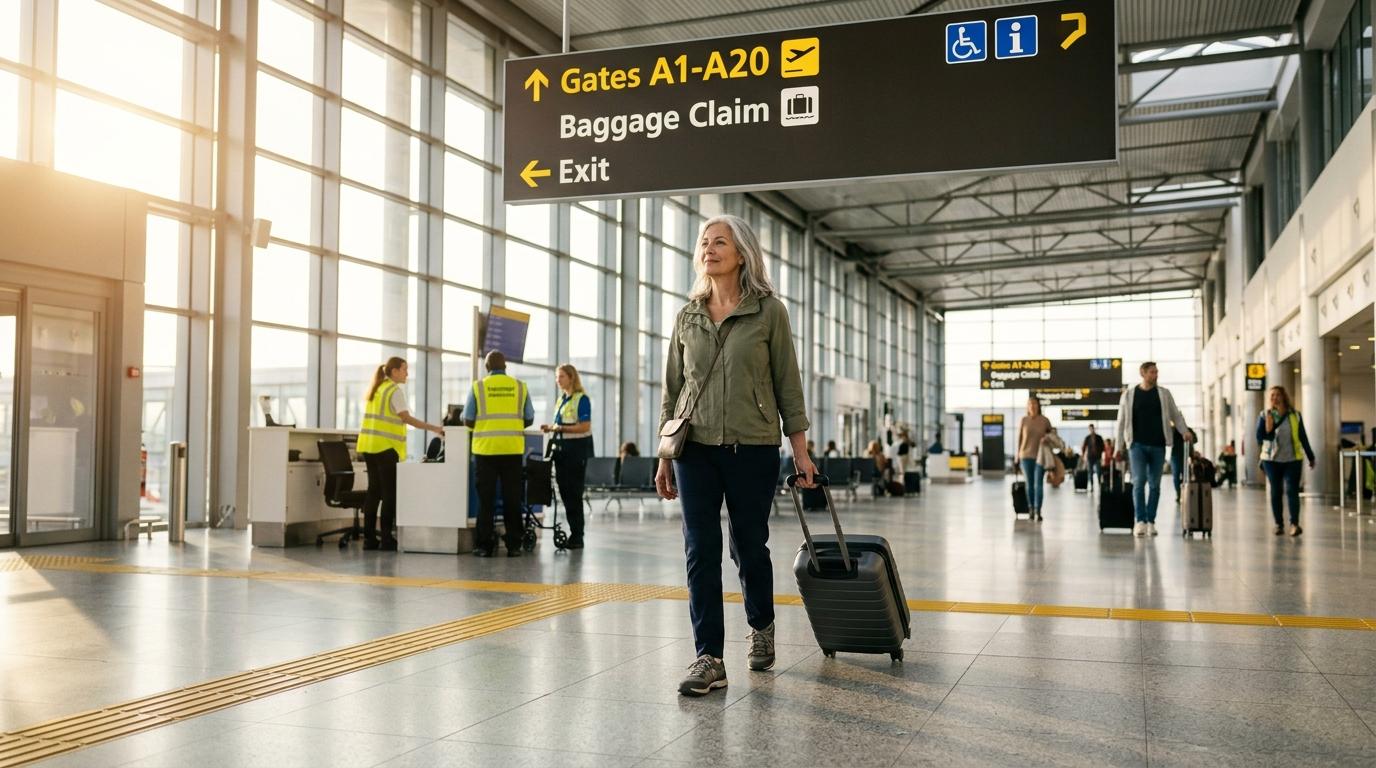
Plenty of people reach their sixties and seventies with time, savings, and a long list of places they still want to see, but no travel partner who can join them. Maybe a spouse has passed, friends have different budgets, or you simply prefer setting your own plans. Tours for seniors traveling alone fill that gap by handling logistics and adding built-in company, so you're never eating every dinner by yourself. Not every tour is a good fit, though. Some move too fast, some charge steep fees for solo guests, and some leave you to sort out airports and hotel transfers alone. Here's what to check before you hand over a deposit.
Why Solo Travel for Seniors Is Growing
Solo travel for seniors has moved well past a niche. Many tour operators now design departures for older travelers who come alone, offering roommate matching, solo-friendly pricing, and itineraries built around a comfortable pace.
The appeal is easy to understand. A good group tour removes the parts of travel that get harder with age: navigating unfamiliar transit, carrying luggage up stairs, figuring out where to eat in a city where you don't speak the language. You still get independence during free time, but someone else is responsible for keeping the trip on track.
What Makes Good Tours for Seniors Traveling Alone
The best tours for seniors traveling alone share a few traits that brochures don't always spell out. Look past the photos and read the fine print on each of these points.
Pace and Physical Demands
Most reputable operators rate their trips by activity level. Pay close attention to how they define each level. A trip marked "moderate" might mean three miles of walking a day on cobblestones, or it might mean steep hillside towns and boarding small boats.
Ask specific questions:
-
How many hours a day are spent walking or standing?
-
Are there stairs without elevators at hotels or sites?
-
How many hotel changes happen during the trip?
-
Are there long bus days, and how often are rest stops scheduled?
Frequent one-night hotel stays are a common source of fatigue. A tour that bases you in two or three hotels and uses day trips is usually more relaxing than one that packs up every morning.
Group Size
Group tours for solo seniors range from intimate groups of a dozen people to coaches carrying 40 or more. Smaller groups tend to move faster through museums and restaurants, give you more time with the guide, and make it easier to get to know fellow travelers. Larger groups often cost less but can feel impersonal, especially when you're arriving without a companion.
Single Supplements and Roommate Matching
The single supplement is the biggest financial hurdle for solo travelers. Because hotel rooms are priced for two, many tours charge solo guests an extra fee, sometimes a substantial one.
Options worth looking for:
-
Waived or reduced supplements on select departures, often during shoulder seasons
-
Roommate matching, where the operator pairs you with another solo traveler of the same gender
-
Guaranteed share programs, where you pay the shared rate even if no roommate is found
Always ask what happens if a matched roommate cancels. Some operators absorb the cost; others pass the supplement back to you.
Who Else Will Be on the Trip
Senior travel groups vary widely in who they attract. Some tours are designed specifically for travelers over 50 or 55, while others mix ages. Ask the operator about the typical age range and how many guests usually travel solo. A trip where a third of the group came alone feels very different from one where you're the only single among couples.
Escorted Tours for Seniors vs. Independent Packages
Escorted tours for seniors include a tour director who stays with the group from start to finish, handling check-ins, tickets, and problems as they come up. That person is your safety net if you feel unwell, lose a bag, or miss a connection.
Independent or "hosted" packages bundle hotels and some excursions but leave more of the getting around to you. They offer flexibility at a lower price, yet they put more responsibility on your shoulders.
For a first trip alone, a fully escorted format is usually the safer choice. Once you're comfortable, a hybrid works well: an escorted core itinerary with a few extra days on your own before or after.
Don't Overlook Arrival and Departure Day
Here's where many senior travel tours leave a gap. The tour often begins at a hotel, not at the airport. Unless airport transfers are explicitly included, you're expected to get from your arrival gate to the meeting point on your own, frequently after a long flight and in an unfamiliar country.
That stretch can be the most stressful part of the whole trip. Taxi lines can be long, ride-hailing pickup zones can be confusing, and wrestling a suitcase onto a train after an overnight flight is no one's idea of a good start. Even when a tour includes a group transfer, you may have to wait for other passengers' flights to land before the shuttle leaves.
Why a Private Airport Transfer Makes Sense
Booking a private airport transfer in advance solves most of these problems at once. A driver meets you at arrivals, helps with luggage, and takes you straight to your hotel without shared stops. You know the price ahead of time, so there's no haggling or meter-watching when you're tired.
For solo seniors, the benefits go beyond convenience:
-
No waiting for other travelers or a scheduled shuttle
-
Help with bags from curb to car to hotel door
-
A fixed, prebooked fare agreed before you travel
-
Flight tracking on many services, so a delayed arrival doesn't leave you stranded
-
A familiar contact to call if plans change
Platforms such as Transpovia let you compare and book private transfers and private car services at airports around the world before you leave home. It's worth arranging these even if your tour includes a group shuttle, especially if you plan to arrive a day or two early to rest and adjust to the time zone, which many experienced travelers recommend.
Plan the Days Before and After Your Tour
Extra nights on either end of a tour are often where solo travelers feel most alone and least supported. Having a private car booked for those days, whether for a hotel transfer, a short sightseeing outing, or a ride to a cruise port, gives you the same reliability you'd get from the tour itself.
Health, Insurance, and Safety Checks
Travel Insurance That Actually Fits
Original Medicare generally does not cover care outside the United States, and some Medicare Advantage or supplement plans offer only limited foreign coverage. Before any international trip, review your policy and consider travel insurance that includes medical coverage and emergency evacuation.
Read the pre-existing condition terms carefully. Many policies only cover existing conditions if you buy the insurance within a short window after your first trip payment.
Medical Needs on the Road
Tell the operator about mobility limitations, dietary needs, or medical conditions when you book, not on day one. Good companies will adjust room locations, flag accessible routes, or warn you about sections of the itinerary that may be hard.
Carry medications in your carry-on bag in their original containers, along with a written list of prescriptions and dosages. Keep a copy of your passport and insurance details separate from the originals.
Questions to Ask About Safety
-
Is there a 24-hour emergency contact number?
-
What happens if I get sick and need to leave the tour?
-
Does the guide carry a first-aid kit, and are they trained to use it?
-
How is the group's location shared if someone gets separated?
Choosing Destinations That Suit Solo Seniors
Some destinations make solo travel easier than others. English-friendly countries with good infrastructure and well-organized tourism tend to be a gentle starting point.
Canada is a popular choice for first-time solo travelers. Rail journeys through the Rockies, the historic streets of Quebec City, and coastal drives in the Maritimes suit a slower pace, and most travelers won't face a language barrier outside Quebec. If you're flying in, remember that visa-exempt visitors arriving by air typically need an Electronic Travel Authorization, though US citizens are exempt. You can explore more about senior travel in Canada before choosing a region.
Further south, Costa Rica draws older travelers with its cloud forests, wildlife, and beach towns. The country's mountain roads can be winding and slow, and conditions shift quickly during the rainy season, which is why many visitors prefer not to drive themselves. Most international arrivals land at Juan Santamaría International Airport near San José or Daniel Oduber Quirós International Airport in Liberia, and both can be a long ride from popular lodges. A prebooked private car makes those transfers far less tiring. For trip planning ideas, look into senior travel in Costa Rica.
Red Flags to Watch For
A few warning signs suggest a tour may not be right for you:
-
Vague descriptions of daily activity levels
-
No clear cancellation or refund policy
-
Single supplements that only appear late in the booking process
-
Itineraries with a new hotel almost every night
-
Pressure to pay in full immediately
-
No mention of how arrival and departure transfers are handled
If an operator can't answer your questions clearly before you book, it's unlikely to be more helpful once you're on the road.
Frequently Asked Questions
What is the best age to start taking senior solo travel tours?
There's no set age. Many tours aimed at older travelers welcome guests from their fifties onward, and plenty of travelers keep touring well into their eighties. What matters more is matching the trip's activity level to your health and stamina rather than focusing on a number.
How can seniors avoid paying a single supplement?
Look for operators that offer roommate matching, guaranteed share programs, or waived supplements on select departures. Traveling in shoulder or off-peak seasons often improves your chances, and booking early helps since solo rooms with reduced fees tend to sell out first.
Do group tours include airport pickup?
Some do, but many don't, and those that do may use shared shuttles timed around specific flights. Check the inclusions carefully. If transfers aren't covered or you're arriving outside the scheduled window, booking a private airport transfer ahead of time keeps your arrival simple and predictable.
Conclusion
The right tour can turn a trip you'd hesitate to take alone into one of the best experiences of your life. Focus on the details that shape your daily comfort: a realistic pace, a manageable group size, fair pricing for solo guests, solid insurance, and an operator who answers questions plainly.
Then think about the parts of the journey the tour doesn't cover. Arrival day, departure day, and any extra nights are when solo travelers most need reliable support. Arranging private transfers for those moments means you start and finish the trip feeling rested and in control, which leaves more energy for everything in between.
"After a ten-hour flight, the last thing I wanted was to figure out a taxi line on my own. Seeing a driver waiting with my name made the whole trip feel easier from the first minute."


