
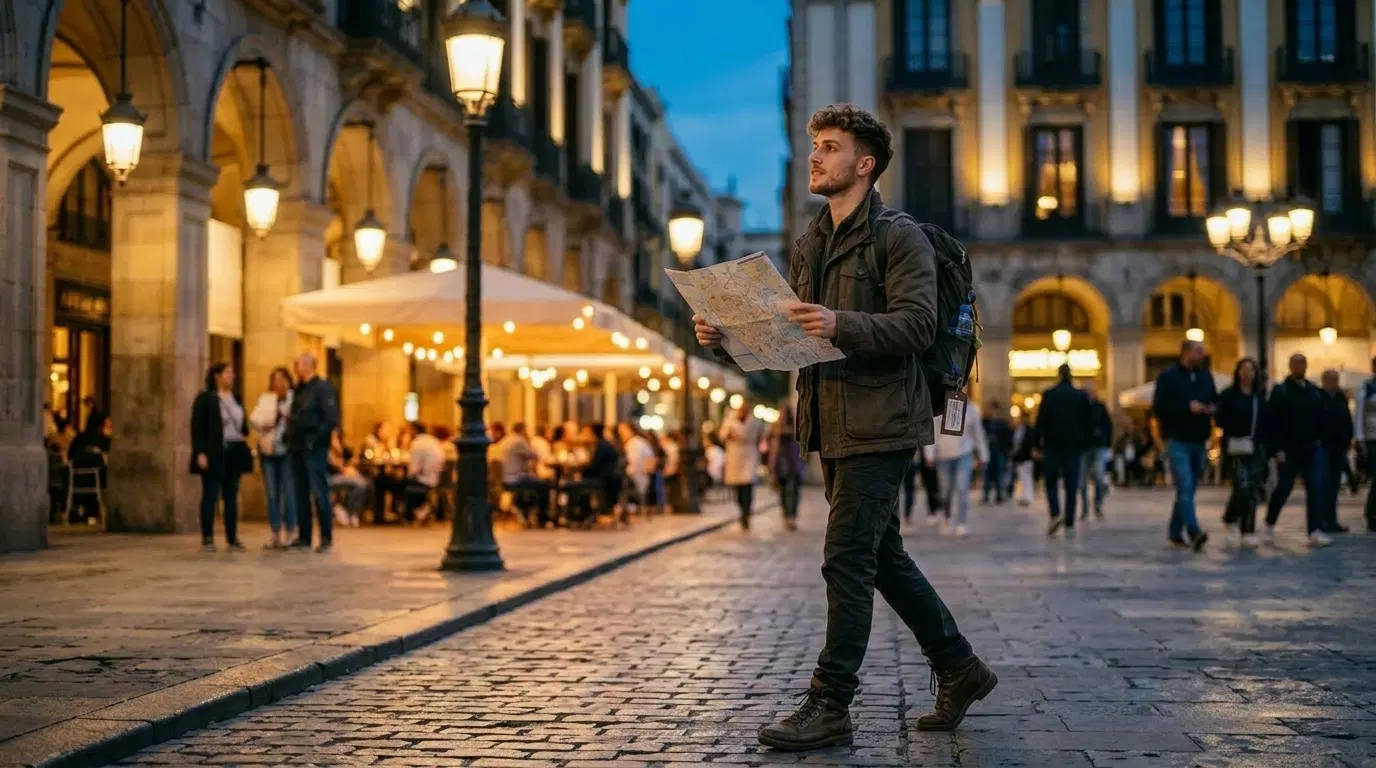
Stepping off a plane alone in a city with no familiar face waiting means every decision — which exit to use, whether a taxi driver is legitimate, where it's safe to walk after dark — falls entirely on you. That's not a reason to avoid traveling solo; millions of people do it safely every year. It is a reason to prepare deliberately. Solo travel safety comes down to a handful of habits that reduce risk without turning a trip into a constant exercise in worry.
Research the Destination Before You Book
Solo travel safety starts well before departure, with an honest look at the specific city and country rather than general assumptions. The U.S. Department of State publishes a Travel Advisory for every country, rated on a four-level scale from "exercise normal precautions" to "do not travel," along with specific safety and security details for that destination. Reviewing the current advisory for a destination, rather than relying on outdated impressions or secondhand stories, gives a more accurate picture of what to actually watch for.
Beyond the advisory itself, it's worth checking which neighborhoods are considered safer for visitors, what local scams are common, and whether any areas require extra caution at night. This information changes over time, so checking close to departure rather than months in advance produces a more current picture. Local tourism boards and official city government sites often publish current safety guidance alongside general visitor information, and cross-referencing that against the State Department's country-level advisory gives a more complete picture than either source alone.
Register With Your Embassy Before You Go
The State Department's Smart Traveler Enrollment Program, known as STEP, is a free service that lets U.S. citizens register upcoming international trips with the nearest embassy or consulate. Enrolling means the embassy has your basic itinerary on file and can reach you with safety alerts or, in a genuine emergency, help locate you. This is a five-minute step that solo travelers in particular benefit from, since there's no travel companion who would otherwise know your plans.
Share Your Itinerary With Someone at Home
Beyond formal registration, a simple habit matters just as much: telling a trusted person your day-to-day plans. This doesn't need to be a detailed schedule, but a general outline of where you're staying, what you're doing each day, and when you expect to check in gives someone outside the trip a way to notice if something seems off. A missed check-in is far more likely to be caught quickly by someone expecting to hear from you than by anyone else.
Choose Accommodations With Safety in Mind
Where you stay affects solo travel safety more than most other decisions. Look for accommodations with secure entry systems, staffed front desks or reception during check-in hours, and reviews that specifically mention feeling safe as a solo traveler rather than only commenting on amenities or location. Ground-floor rooms, while sometimes convenient, are generally easier to access from outside than upper floors, which is worth weighing against convenience when a choice is available.
Checking a property's exact location relative to the areas flagged in local safety guidance, rather than assuming a well-reviewed hotel is automatically in a safe neighborhood, closes a gap that basic star ratings don't address.
Arrange Trustworthy Transportation, Especially After Dark
Ground transportation is one of the more overlooked parts of solo travel safety, particularly for late arrivals or nighttime outings in an unfamiliar city. Hailing an unmarked vehicle, accepting a ride from someone soliciting transportation on the street, or getting into an unofficial taxi outside a marked stand all carry more risk than using a recognized taxi service, a verified rideshare app, or a private transfer booked in advance with a confirmed driver.
For arrival day specifically, a pre-booked private transfer removes the need to evaluate unfamiliar transportation options while jet-lagged and unfamiliar with the city. Services like Transpovia arrange a specific driver and vehicle ahead of time, so a solo traveler landing late at night has a confirmed, named ride waiting rather than needing to assess options at the curb alone. How to Avoid Common Tourist Scams While Traveling covers additional detail on recognizing unofficial transportation and other common scams that specifically target travelers moving through unfamiliar transit hubs.
Protecting Money and Valuables
Carrying an entire trip's cash and cards in one place creates unnecessary risk if a bag or wallet is lost or stolen. Splitting cash and cards across a couple of locations — a portion in a hotel safe, a portion carried during the day — means a single incident doesn't leave a traveler without any resources. A money belt or a bag with a secure, harder-to-access closure adds a layer of protection in crowded areas like markets, public transit, or busy tourist sites where pickpocketing is more common.
Photocopies or photos of important documents — passport information page, visa, travel insurance details — stored separately from the originals, ideally both physically and in a secure cloud location, make replacing a lost or stolen document considerably faster. Registering with STEP, mentioned above, also gives the nearest embassy a record of your presence in the country, which becomes relevant if a passport needs emergency replacement.
Stay Aware Without Becoming Anxious
Situational awareness is one of the most repeated pieces of solo travel advice, and for good reason — noticing your surroundings, keeping valuables secure, and avoiding obvious distractions like staring at a phone while walking through an unfamiliar area genuinely reduces risk. This doesn't mean treating every stranger as a threat or avoiding public spaces out of excessive caution. Most solo travel happens without incident, and constant hypervigilance tends to detract from the trip more than it protects against realistic risks.
A useful middle ground: know your route before heading out, keep a general sense of which direction leads back to familiar territory, and trust your instincts if a situation feels wrong enough to leave rather than second-guessing that feeling.
Keep Communication and Documents Accessible
A dead phone or an unreachable local SIM removes one of the most important safety tools a solo traveler has. Carrying a portable charger, knowing how to get a local SIM or activate an international data plan quickly after arrival, and having offline access to key information — accommodation address, embassy contact details, and any emergency numbers for the destination — matters more when traveling without a companion who might otherwise share that responsibility.
Best Travel Apps Every International Traveler Should Download includes tools that help with offline maps, translation, and staying connected without relying entirely on a working data connection, all of which support the basic communication habits solo travelers depend on most.
What to Do if Something Feels Wrong
Trusting instinct is a genuine safety skill, not a vague platitude. If a situation, person, or location feels wrong, leaving immediately — rather than staying to be polite or assess further — is a reasonable response almost every time. Identifying a public, well-lit place to head toward in advance, such as a hotel lobby, a staffed shop, or a police presence, gives a concrete option rather than an abstract plan.
Knowing the local emergency number before it's needed, rather than searching for it during a stressful moment, is a small preparation step that matters disproportionately when it's actually required.
Frequently Asked Questions
Is solo travel actually more dangerous than traveling with others?
Most solo trips happen without any safety incident, and specific risk depends heavily on the destination, the traveler's preparation, and ordinary precautions rather than the simple fact of traveling alone. Checking a destination's current Travel Advisory gives a more accurate risk picture than general assumptions.
What's the single most important safety habit for solo travelers?
No single habit covers every risk, but combining destination research, a shared itinerary with someone at home, and trustworthy transportation choices addresses the situations that come up most often for solo travelers.
Should solo travelers avoid public transportation?
Not necessarily. Public transportation is generally safe in most destinations, though awareness of pickpocketing in crowded systems and understanding local safety norms for late-night service specifically are worth researching before relying on it after dark.
How can a solo traveler verify a taxi or rideshare is legitimate?
Using official taxi stands, confirmed rideshare pickup zones from the app itself, or a pre-booked private transfer with a known driver name reduces the risk of an unofficial or unlicensed operator, which is a more common concern at airports and major transit hubs than elsewhere.
Before You Go
Solo travel safety isn't about eliminating every risk — it's about stacking a few reliable habits that reduce the likelihood of a bad situation and give a clear plan if one happens anyway. Research the destination, register with STEP, share an itinerary with someone at home, and arrange trustworthy transportation before you land. Those steps handle most of what actually goes wrong for solo travelers.


