
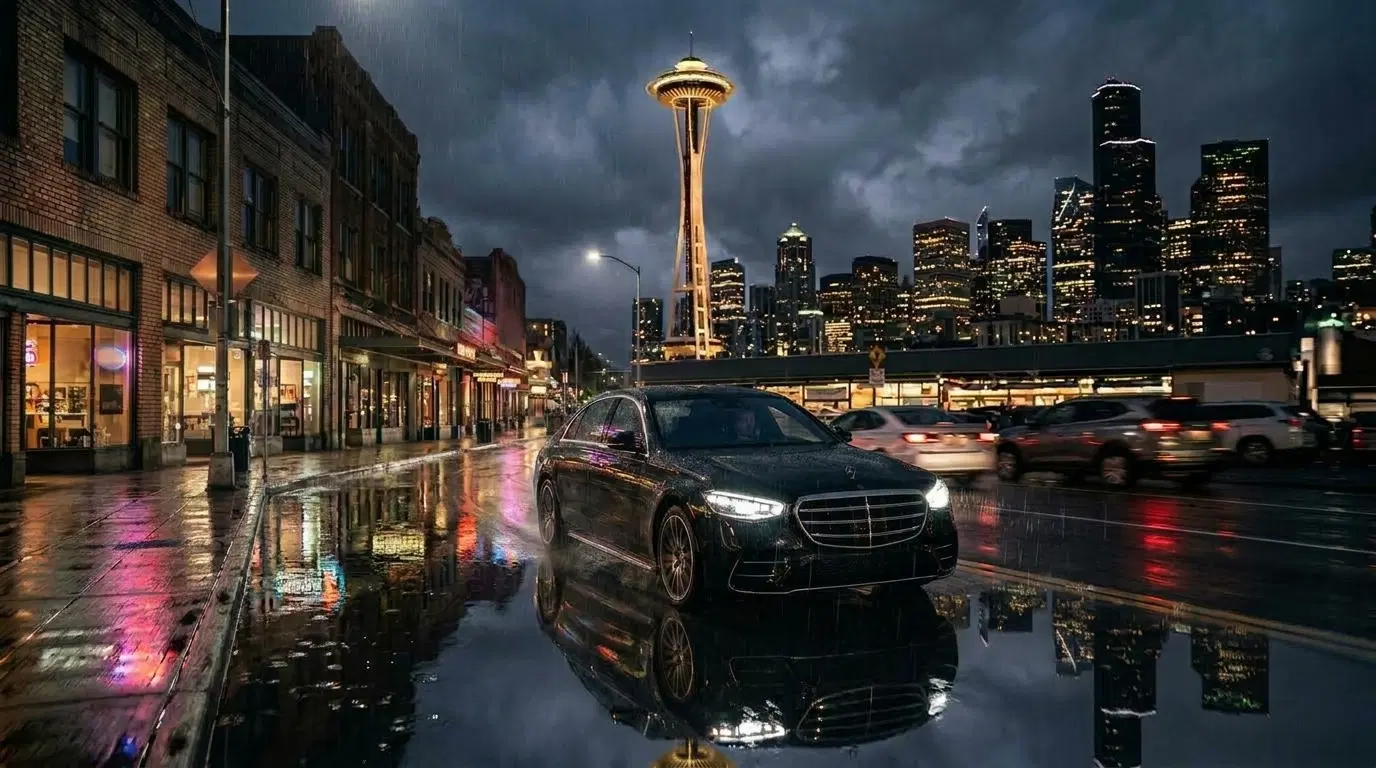
Most people arrive in Seattle with two assumptions: that it rains constantly, and that everything worth seeing sits near Pike Place Market. Both are wrong, and both cost you time. The city's best days involve water, hills, and neighborhoods that take 15 minutes to reach, and its transit system changed enough recently that older advice will steer you badly. These Seattle travel tips cover when to come, how to move around cheaply, and which planning decisions actually shape a first visit.
The Rain Reputation Is Misleading in Both Directions
Seattle summers are among the driest and sunniest stretches of weather in the country. July sees rain on roughly 4% of days and August around 7%, with highs near 77°F and daylight lasting past 9 p.m. in June and July. If you come between late June and September, you'll likely get clear skies and mountain views.
The reputation comes from the other eight months. Seattle gets less total rainfall than many major American cities, but it gets a lot of rainy days — persistent light drizzle rather than downpours, paired with short winter daylight. Temperatures stay mild, rarely dropping below freezing.
What this means for planning:
-
June to September: best weather, highest prices and crowds
-
Late April to early June and late September to October: mild, far quieter, good value
-
November to March: gray and wet, but hotel rates drop sharply and restaurant reservations open up
Pack a light waterproof jacket with a hood rather than an umbrella — locals rarely use them, and it's the clearest tourist marker in the city. Layers matter year-round, since neighborhoods have real microclimates and water-adjacent areas run cooler than inland ones.
Getting Around: The Flat Fare Changed the Math
Link light rail now charges a flat $3 for adults regardless of distance, and you only tap once when you enter. No tap-off at the end. That makes the ride from Sea-Tac Airport to downtown around $3 and roughly 38 to 40 minutes — against $35 to $50 and unpredictable traffic for a rideshare.
Pick up an ORCA card for $3 at any station machine, or use contactless payment. Two details worth knowing: riders 18 and under travel free on Sound Transit, which changes the budget for families, and a promotional 3-Day PugetPass costs $18 for unlimited regional travel — available through August 31, 2026, though it may be extended. Check current fares at soundtransit.org.
The catch that catches people out: day passes and multi-day passes don't cover Washington State Ferries or the Seattle Center Monorail. Budget those separately.
There's also a free Waterfront Shuttle running daily this summer through early September, every 15 minutes between 10 a.m. and 10 p.m., linking Seattle Center, the Olympic Sculpture Park, Overlook Walk, the ferry terminal, Pioneer Square, and Chinatown-International District. It covers almost the entire tourist corridor at no cost.
Seattle is walkable in stretches but seriously hilly, in the same way these San Francisco Travel Tips describe — a flat-looking six blocks on a map can mean a steep climb. Check the elevation before committing to a walk.
For late arrivals, groups with luggage, or an early flight out, light rail is less convenient than it sounds — Sea-Tac sits about 30 minutes south of downtown and the last trains stop well before dawn. Booking a fixed-price transfer with a service like Transpovia covers the gaps at either end of the trip.
The Rebuilt Waterfront Changed How to Plan a Downtown Day
Seattle's central waterfront finished a multi-year rebuild that added about 20 acres of new parks and public space. The piece that matters most for visitors is Overlook Walk, an elevated park that opened in late 2024 and creates the first direct pedestrian connection between Pike Place Market and the waterfront, bridging a vertical drop of nearly 100 feet.
That solves the old problem of the two areas feeling separate. You can now do the market in the morning, walk down through Overlook Walk with views across Elliott Bay to the Olympics, and reach the Seattle Aquarium and the piers without backtracking or hunting for stairs.
A few honest notes on the classic downtown sights:
-
Pike Place Market is best before 9:30 a.m. By late morning the main arcade is shoulder to shoulder. The lower levels and the produce stalls beat the fish-throwing crowd
-
The original Starbucks line regularly runs 45 minutes for a standard coffee. The store is small and the menu is normal
-
The Space Needle offers a fine view for a real ticket price. Kerry Park in Queen Anne gives you the classic postcard shot — Needle, skyline, and Mount Rainier behind it — for free, and it's better at sunset
Get on the Water — It's the Best Cheap Thing in Seattle
The single most rewarding hour in Seattle costs the price of a ferry ticket. Walking onto the Washington State Ferry to Bainbridge Island gives you about 35 minutes each way across Elliott Bay, with the skyline behind you and the Olympics ahead. On many Puget Sound routes, walk-on passengers pay in one direction only, which makes the round trip better value than most paid attractions — confirm current fares before you go.
Bainbridge itself has a walkable village a few minutes from the ferry dock, so a half day works well. If you'd rather stay closer, the King County Water Taxi crosses to West Seattle, landing near Alki Beach and its long shoreline path with views back at downtown.
Both are weather-dependent in the obvious way. Clear days are extraordinary; gray ones are still pleasant but you'll lose the mountains.
Day Trips: Mount Rainier Doesn't Need a Reservation This Year
Mount Rainier National Park cancelled its timed-entry reservation system for 2026. The pilot that ran in 2024 and 2025 is gone, and entry to Paradise, Sunrise, and the rest of the park is first come, first served. Plenty of guides still tell you to book a slot — you don't need one.
Parking is now the real constraint. The lots at Paradise and Sunrise fill on peak summer weekends, and entrance queues can stretch during midday in July and August. Arrive before 8 a.m. or visit Tuesday through Thursday. Entrance runs about $30 per vehicle, or use an America the Beautiful pass, and it's roughly a two-hour drive south of Seattle.
Timing matters more here than at most parks. Between roughly October and early July, the mountain is often hidden in cloud and higher trails stay under snow. Late July through September is when the meadows open up, with wildflowers usually peaking at Paradise in early to mid-August. Confirm road and trail status on the National Park Service site the day before.
Other strong options: Olympic National Park via the Bainbridge or Bremerton ferry, Snoqualmie Falls at about 40 minutes out, and the Skagit Valley tulip fields in April.
This is where a rental car earns its keep — for day trips only, rather than for the whole stay the way a car-first destination like the one in these Los Angeles Travel Tips demands. Rent for the days you leave the city, not the days you're in it.
Seattle Travel Tips: Neighborhoods, Food, and Staying Safe
The tourist core is small, and the city's character sits north and east of it. Ballard carries Scandinavian roots plus a strong restaurant and food scene and a Sunday farmers market. Fremont is quirky and walkable, with the troll under the bridge. Capitol Hill holds the coffee culture. The Chinatown-International District, a short light rail hop from downtown, has the best-value eating in the city across Chinese, Japanese, Vietnamese, and Filipino kitchens.
On food, look past salmon. Seattle-style teriyaki is a genuine local institution with hundreds of neighborhood shops, oysters are excellent and cheapest at early dining specials, and Dungeness crab is in season in winter rather than summer.
On safety, Seattle's main risk for visitors is property crime, not violence. Car break-ins are the standout problem:
-
Never leave anything visible in a parked car, including empty bags — trailhead and waterfront lots are common targets
-
Keep normal awareness around Third Avenue downtown and the blocks near the market at night
-
Watch your footing on wet hills; the sidewalks get slick
Washington charges no state income tax but a high sales tax, added at the register rather than shown on the price tag. Tipping runs 18 to 20 percent. And prices, hours, and pass rules change often — verify anything time-sensitive on the official site before you travel.
Frequently Asked Questions
How many days do you need in Seattle?
Three to four days suits most first visits: one for downtown and the waterfront, one for neighborhoods and a ferry, and one or two for a day trip to Mount Rainier or the Olympic Peninsula.
Do you need a car in Seattle?
Not within the city. Light rail, buses, ferries, and walking cover it, and downtown parking is expensive. Rent a car only for the days you're heading out to the mountains or the coast.
What is the cheapest month to visit Seattle?
January and February bring the lowest hotel rates and shortest lines, along with the grayest weather. Late April, May, and October offer a better balance of price and conditions.
Before You Go
Book your ferry day for the clearest forecast, hit Pike Place early, and keep one day flexible in case the mountain comes out. Buy an ORCA card at the airport station rather than paying per ride. Arranging your airport transfer with Transpovia ahead of time takes the timing risk out of arrival and departure days.
"We watched the forecast and swapped our plans around when Thursday turned out clear. Riding the ferry back with the whole skyline and Rainier behind it — that's the picture we kept."


