
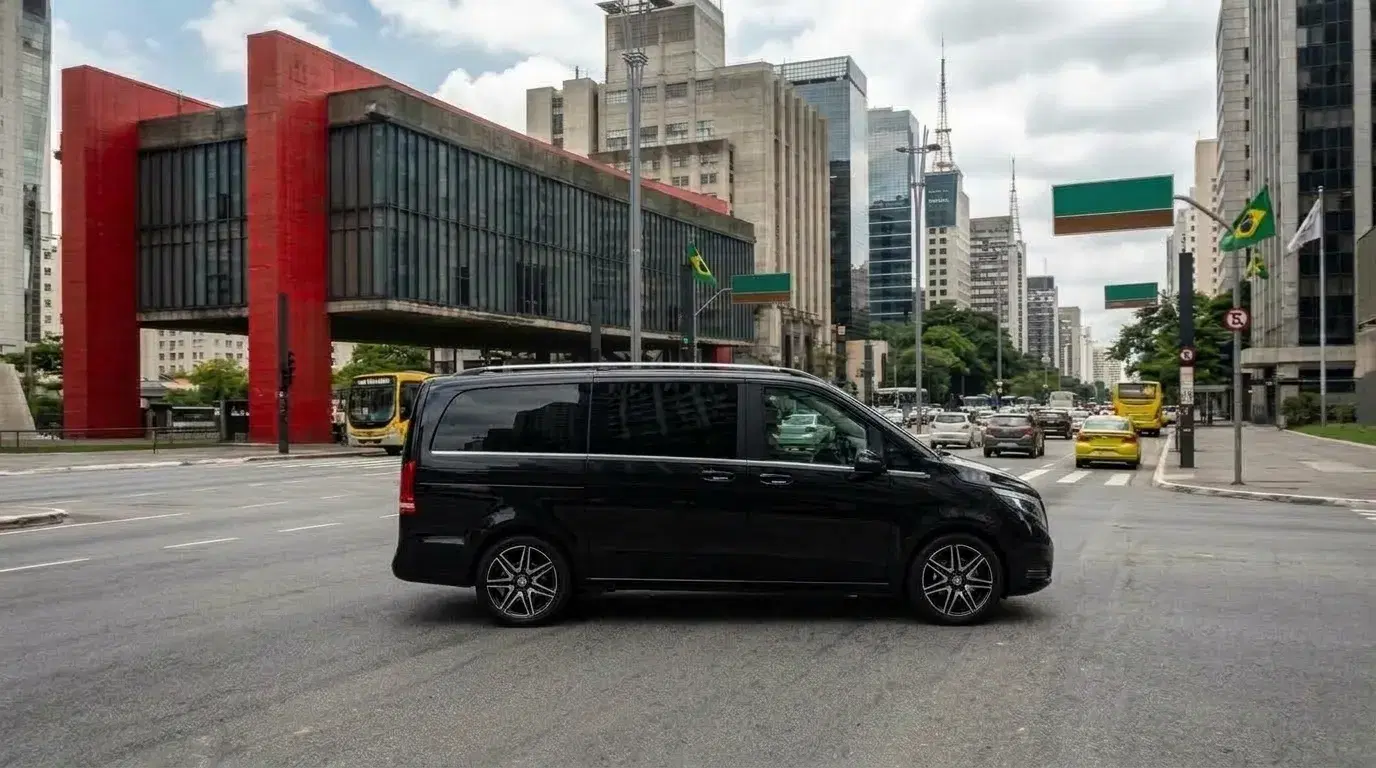
São Paulo rewards planning more than spontaneity. It's Brazil's largest city, spread across a sprawl that traffic can turn into an hours-long crawl, so the smartest São Paulo travel tips start with logistics: where to base yourself, how to move around, and when to come. This is a food and art capital rather than a beach destination, which catches many first-time visitors off guard. Settle a few decisions early — neighborhood, transport, and season — and the city opens up fast. Here's what actually makes the difference.
São Paulo Travel Tips: Set the Right Expectations
Arriving with a Rio mindset is the most common first-timer mistake. São Paulo has no beaches and few must-see monuments. Its pull comes from restaurants, museums, and distinct neighborhoods you sample one at a time.
Think of it as a metropolis to graze through rather than a checklist to tick off. If sand is non-negotiable, the coast around Santos and Guarujá is a drive away — but the city itself is landlocked and best treated on its own terms. Come for the food and culture, and it delivers more than almost anywhere in Brazil.
Getting Around São Paulo Without Losing Half Your Day
The metro is the most reliable way to move around central São Paulo. It's modern, clean, and largely avoids the traffic that clogs the streets above. Buy a rechargeable Bilhete Único card, lean on the Green (Line 2) and Yellow (Line 4) lines for most sights, and skip peak hours — roughly 7–9 a.m. and 5–7 p.m. — when trains pack tight.
A single ride costs only a few reais, and the network runs from about 4:40 a.m. to midnight, a little later on weekends. For anything off the rail map, Uber and the local 99 app are cheap, easy, and the safer choice after dark. Buses cover more ground but are hard to navigate without Portuguese, so most visitors skip them.
Getting in from the airport is its own decision. Guarulhos (GRU) handles international flights and sits about 25 km northeast, which can mean well over an hour in traffic; Congonhas (CGH) serves domestic routes closer to the center. Rather than negotiate a taxi fare in Portuguese after a long flight, many travelers arrange a ride ahead of time — services like Transpovia let you book an airport transfer in advance, and this How to Get From São Paulo Airport to Downtown São Paulo Easily breakdown walks through the options.
The Best Time to Visit São Paulo
The best time to visit São Paulo is generally April through October, when the weather is drier and milder. Because the city sits in the Southern Hemisphere, its winter (June–August) is the coolest, clearest stretch and the easiest for walking. Summer (December–February) turns hot and humid, with heavy afternoon downpours that can briefly flood streets.
The shoulder months — April–May and September–October — strike the best balance of pleasant weather, lighter crowds, and lower prices. Pack a light layer for cooler winter evenings and rain protection if you come in summer. Whenever you visit, weekday mornings beat weekends at the busiest museums.
Where to Base Yourself: São Paulo's Best Neighborhoods
Your neighborhood shapes the trip more than any single attraction. Four stand out for visitors:
-
Avenida Paulista and around (Bela Vista, Consolação): Central, well-connected by metro, and walkable to MASP. On Sundays the avenue closes to cars for Paulista Aberta, filling with food stalls. The easiest home base for a first visit.
-
Jardins: Upscale and calmer, with the city's best shopping on Rua Oscar Freire and excellent dining. Pricier, and better for travelers who want comfort.
-
Vila Madalena and Pinheiros: Bohemian, walkable, and packed with galleries and street art.
-
Liberdade: The historic Asian district, home to one of the largest Japanese communities outside Japan. Come for the food and the weekend street fair.
São Paulo Tourist Attractions and How to Time Them
A little scheduling saves you from crowds and closed doors. The essentials:
-
MASP (Museu de Arte de São Paulo): The floating red-pillar landmark on Avenida Paulista holds the strongest collection of Western art in the Southern Hemisphere. It's closed Mondays and free on Tuesdays, which draws big crowds, so book a timed slot online and confirm current hours on the official website. Nearest stop: Trianon-MASP.
-
Ibirapuera Park: The city's great green space, dotted with Oscar Niemeyer pavilions and museums. Go early or on a weekday morning to enjoy it before it fills.
-
Pinacoteca: One of Brazil's oldest art museums, near Luz station, strong on Brazilian work.
-
Beco do Batman: An open-air street-art alley in Vila Madalena. Free, and best photographed in daylight.
-
Mercado Municipal (the "Mercadão"): Go hungry for the famous mortadella sandwich and pastel de bacalhau, ideally mid-morning before the lines build.
Eating in Brazil's Food Capital
Dining is the real headline act. São Paulo arguably offers Brazil's most varied food scene, shaped by deep Italian, Japanese, Middle Eastern, and Northeastern Brazilian roots. Pizza is a genuine local point of pride thanks to the city's Italian heritage, and Liberdade turns out some of the best Japanese food in the country.
For everyday eating, duck into a padaria for coffee and warm pão de queijo, or hit a weekend feira for pastel and fresh sugarcane juice. Many travelers pair São Paulo's food-and-culture days with beach time in Rio — if that's your plan, this Best Things Travelers Should Know Before Visiting Rio de Janeiro guide covers how the two cities differ.
Staying Safe and Street-Smart
Normal big-city habits go a long way here. Petty theft and phone-snatching are the main concerns, so keep your phone out of sight on the street, avoid flashing valuables, and use ride apps at night instead of walking unfamiliar blocks.
Daytime sightseeing in the historic center is fine with basic awareness, but the emptier side streets around Centro get sketchier after dark, and the Luz area known as "Cracolândia" is best avoided entirely. Carry a card plus a little cash — Pix and cards are accepted nearly everywhere.
FAQs
Is São Paulo worth visiting?
Yes, if you come for food, art and city life rather than beaches. It rewards travelers who dig into neighborhoods and restaurants, and two or three focused days show a great deal.
How many days do you need in São Paulo?
Three days suit most first-time visitors — enough for Avenida Paulista and MASP, Ibirapuera Park, and a dedicated food day. Add time if you want a coastal day trip.
Is São Paulo safe for tourists?
Broadly yes, with standard metropolitan precautions. Stick to well-traveled neighborhoods, guard your phone, and use Uber or 99 after dark. Central historic areas are best visited during the day.
Do you need to speak Portuguese in São Paulo?
It helps a lot. English is limited outside upscale hotels and restaurants, so keep addresses saved in Portuguese and a translation app handy for menus and directions.
Before You Go
Pin down three things before you land: your neighborhood, your season, and how you'll get in from the airport. The metro handles most days and ride apps cover the rest, while booking your airport transfer through Transpovia in advance spares you a tired scramble on arrival. Double-check museum hours and current fares on official sites, then let the food and the neighborhoods set your pace.
"We came expecting another Rio and found something completely different — three days of incredible food, world-class art, and neighborhoods we didn't want to leave. Booking the airport ride ahead of time was the smartest thing we did." — a couple visiting from Lisbon


