
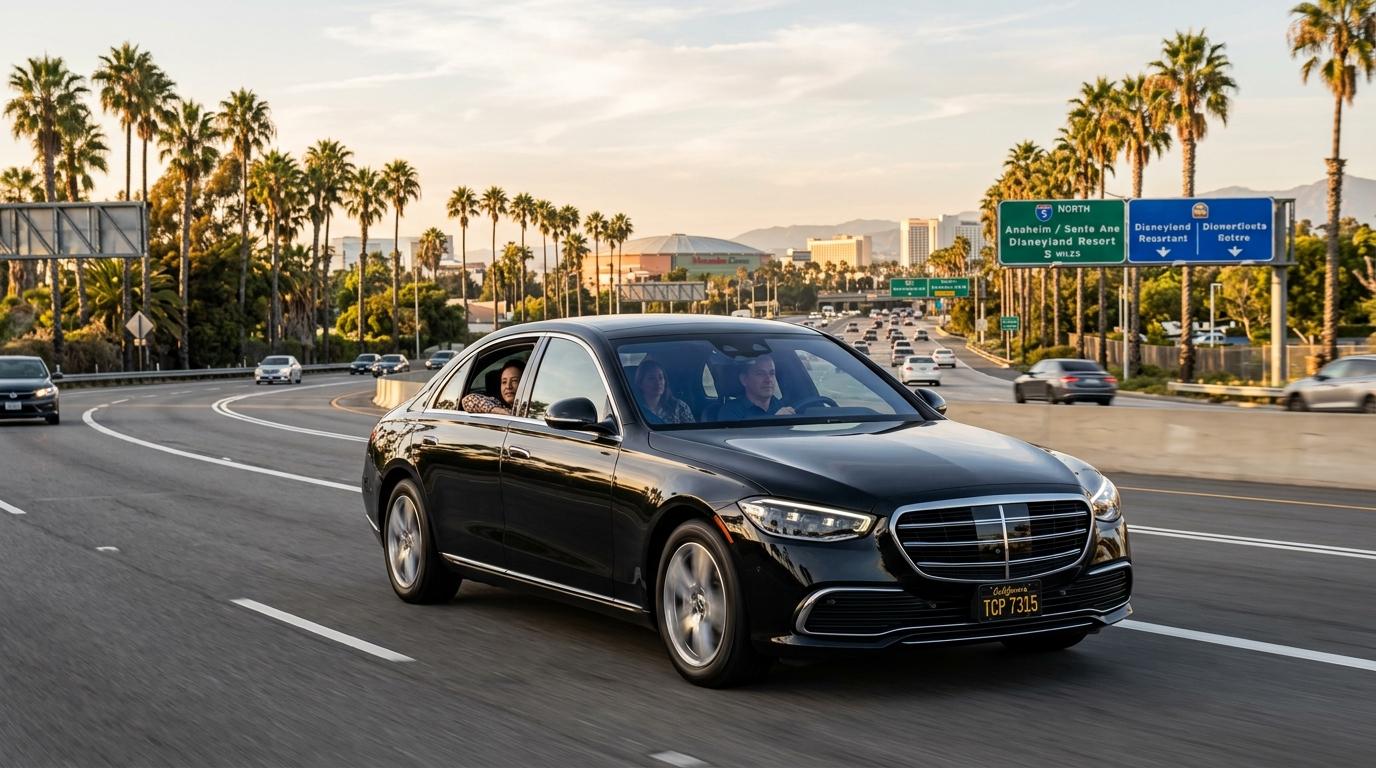
Napa Valley sits just north of San Francisco, close enough for an easy day trip yet far enough to feel like a true escape. Known for its rolling hills, charming towns, scenic countryside, outdoor recreation, spas, and excellent restaurants, it's one of Northern California's most popular destinations. Choosing how to travel from San Francisco to Napa Valley depends on what matters most to you: speed, budget, scenery or door-to-door convenience. A San Francisco to Napa Valley transfer covers roughly 50 miles, and choosing the right option can make your trip much smoother.
How Far Is Napa Valley From San Francisco?
Downtown Napa sits about 46 to 50 miles north of San Francisco, and the drive usually takes an hour to 90 minutes in normal conditions. Two things affect the journey most: Bay Area traffic and the route you choose.
Most travelers cross one of two bridges. The Golden Gate Bridge and US-101 north connect with State Route 37 and SR-121 through scenic marshlands before reaching Napa Valley. The alternative crosses the Bay Bridge to I-80 through Vallejo before joining SR-29 into Napa. Both routes offer attractive scenery, though traffic can increase on weekends and during the busy late-summer and autumn travel season.
The One Thing to Know: There's No Direct Train
One important detail shapes every journey: there is no direct train from San Francisco to Napa Valley. Napa isn't connected to the BART or Caltrain network, and the well-known Napa Valley Wine Train operates only within Napa Valley rather than between San Francisco and Napa.
That means your choices are driving, public transportation with connections, guided tours or a private transfer. Which option works best depends on your schedule, budget and whether you want maximum flexibility. If you're comparing another regional journey first, a San Francisco to San Jose transfer follows a much more transit-friendly route.
Your Options for Getting to Napa Valley
Drive or Rideshare
Driving yourself is usually the quickest and most flexible choice, taking around 90 minutes in normal traffic. It allows you to explore Napa Valley's towns, restaurants, parks, scenic viewpoints and attractions at your own pace.
Rideshare is also available but can become expensive over this distance, and finding a return vehicle from quieter parts of Napa Valley isn't always guaranteed, making it most suitable for trips ending in downtown Napa.
Ferry Plus VINE Bus
This is the most scenic public transportation option and operates on weekends. Take the San Francisco Bay Ferry from the Ferry Building to Vallejo Ferry Terminal, then transfer to the VINE Transit bus into downtown Napa.
The entire journey typically takes between 2½ and 3 hours. While it's economical and offers beautiful bay views, it requires careful planning around schedules and luggage.
BART Plus VINE Bus
On weekdays, travelers can take BART toward Richmond, leave the train at El Cerrito del Norte and connect with the VINE Route 29 bus into Napa.
The trip takes about two hours with one transfer. This option is inexpensive but only operates on weekdays and finishes in downtown Napa rather than at individual attractions.
Guided Tour
Guided tours take care of transportation, routing and the day's schedule, making them a convenient choice for first-time visitors who prefer everything organized in advance. They generally follow a fixed itinerary with stops at popular attractions throughout Napa Valley.
Private Car or Chauffeur
A pre-booked private transfer offers the most convenient door-to-door service. Your driver follows your preferred schedule, allowing you to visit multiple towns, restaurants, resorts, shopping areas or scenic locations without worrying about parking or navigation.
Private transfers are especially useful for families, groups, business travelers and anyone wanting a relaxed journey with fixed pricing.
|
Option |
Typical time |
Cost basis |
Best for |
|
Drive yourself |
~90 min |
Fuel + bridge toll |
Maximum flexibility |
|
Rideshare |
~90 min |
Per trip |
Downtown Napa |
|
Ferry + VINE bus |
~2.5–3 hrs |
Per person |
Scenic budget travel |
|
BART + VINE bus |
~2 hrs |
Per person |
Weekday budget travel |
|
Guided tour |
Full day |
Per person |
First-time visitors |
|
Private car |
~90 min |
Fixed upfront fare |
Groups, families, door-to-door travel |
Travel times assume normal conditions. Busy weekends and the late-summer travel season can increase driving times.
When Does the Journey Get Busy?
Napa Valley has a seasonal travel pattern. Summer weekends attract the largest crowds, while late August through October is one of the busiest and most scenic times of year, bringing heavier traffic along SR-29.
Weekday visits outside the peak season are generally quieter and often more affordable. Napa's mild climate makes it a year-round destination, although occasional winter storms and summer heat can affect travel conditions. Midweek travel usually means lighter traffic and easier access to popular attractions.
Why a Private Transfer Makes Sense
A private transfer offers convenience, flexibility and predictable pricing. Rather than planning around public transportation schedules or searching for rideshares between destinations, you'll have transportation available throughout your trip.
Booking with Transpovia gives you an upfront fixed fare, a professional driver familiar with local roads, and a vehicle suited to your group size and luggage. Whether you're traveling between hotels, restaurants, shopping districts or scenic attractions, a private transfer provides a comfortable and efficient way to explore Napa Valley.
Arriving in Napa Valley: What to Expect
Napa Valley isn't a single town but a collection of charming communities stretching along SR-29 and the quieter Silverado Trail, including Napa, Yountville, Oakville, Rutherford, St. Helena and Calistoga. Downtown Napa serves as the area's main transportation hub.
Although distances between towns are relatively short, planning your itinerary in advance helps reduce unnecessary driving. Many popular restaurants, spas and attractions recommend advance reservations, particularly during peak travel periods. If your journey begins at the airport, a San Francisco Airport to Downtown San Francisco transfer provides an easy first step before continuing to Napa Valley.
Frequently Asked Questions
Is there a direct train from San Francisco to Napa Valley?
No. Napa Valley isn't connected directly to the BART or Caltrain systems. Travelers typically reach Napa by car, guided tour, private transfer or by combining public transportation such as the ferry or BART with the VINE bus.
What's the cheapest way to get from San Francisco to Napa?
Public transportation is the least expensive option. The San Francisco Bay Ferry to Vallejo combined with the VINE bus, or BART to El Cerrito del Norte followed by the VINE Route 29 bus, provides affordable access, although both require transfers and take between two and three hours.
How long does it take to get from San Francisco to Napa Valley?
Driving typically takes between one hour and 90 minutes in normal traffic. Public transportation usually requires two to three hours because it involves transfers.
What's the best way to explore Napa Valley's towns and scenic attractions?
A private car or chauffeur offers the greatest flexibility, allowing you to travel comfortably between Napa Valley's towns, restaurants, scenic viewpoints, resorts and attractions on your own schedule. Guided tours are another convenient option for visitors who prefer a planned itinerary.
Planning Ahead Pays Off
Getting to Napa Valley is straightforward once you choose the option that fits your travel style. Whether you value scenic views, affordability or door-to-door convenience, planning ahead helps you avoid delays during busy travel periods and enjoy a smoother journey. Booking your transportation before you travel lets you spend more time exploring Napa Valley's beautiful landscapes, welcoming towns and renowned hospitality.
"We booked a car for our anniversary trip, and it made exploring Napa Valley completely stress-free. Our driver knew the area well, and we comfortably visited several towns and scenic spots throughout the day." — Returning visitor, Napa Valley


