
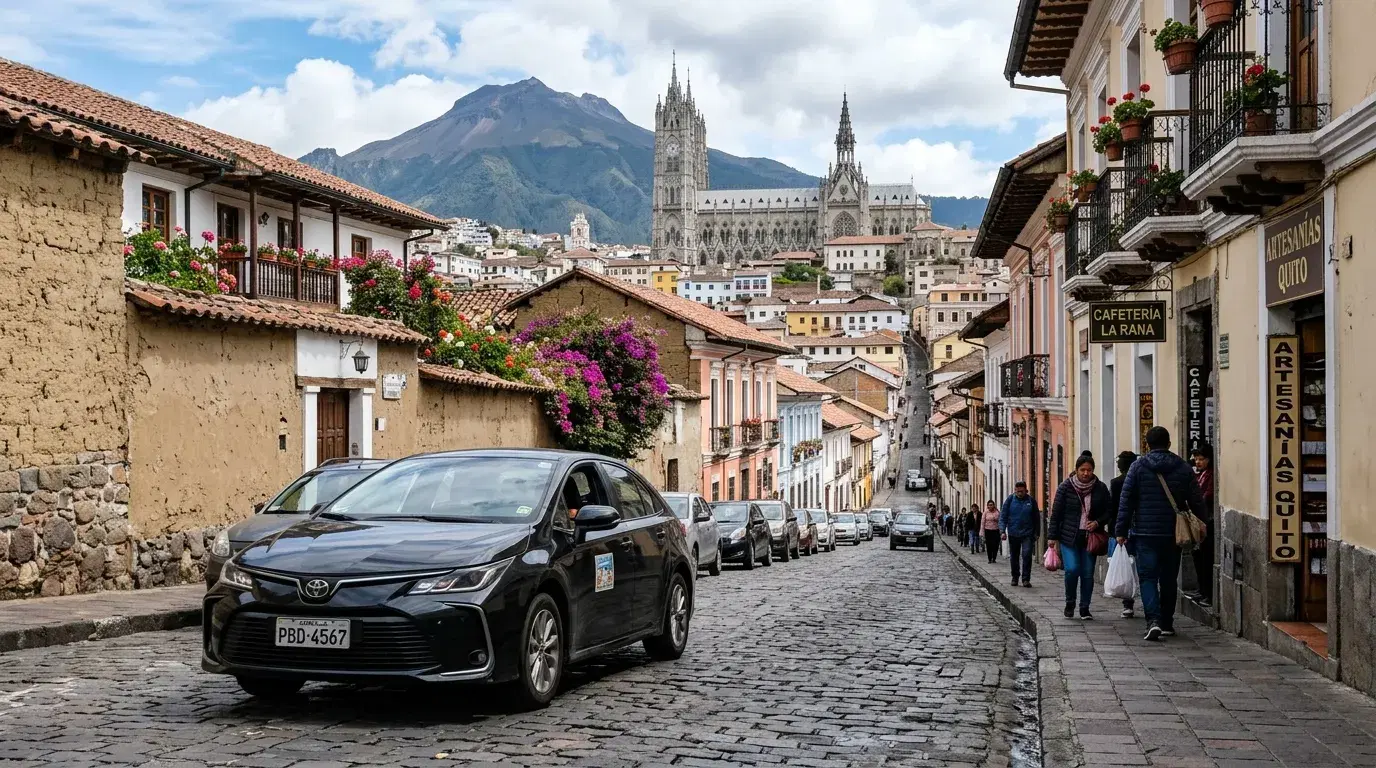
Quito sits at about 2,850 meters (9,350 feet), one of the highest capitals in the world, and that single fact shapes your whole trip: how you feel on day one, what you can safely do first, and how you pace the city's steep colonial streets. The airport is also farther out than most visitors expect. These Quito travel tips focus on the decisions that matter most: how to handle the altitude, how to get in from a distant airport, which neighborhood to base in, and how safety here shifts by area and time of day.
Respect the Altitude First
The most important thing to plan for in Quito is the altitude, not the sightseeing. At 2,850 meters, many visitors feel mild altitude effects such as headache, breathlessness, or poor sleep during the first day or two. Take arrival day slowly, drink plenty of water, and eat light, carbohydrate-rich meals while your body adjusts.
The practical payoff is in your itinerary order. Save strenuous, higher-altitude activities, like the TelefériQo cable car that climbs to around 4,050 meters on Pichincha, for day three or later, since riding it on your first day can trigger stronger dizziness and nausea. Altitude can affect travelers more than expected, but a gentle start can reduce the risk. Over-the-counter altitude remedies are sold in pharmacies, but rest and hydration handle many mild cases. Anyone with heart or lung conditions should check with a doctor before traveling this high.
If you're arriving by air, sorting out how to get from Quito Airport to the Historic Center ahead of time matters here more than in most cities because the distance surprises people. A pre-booked ride through a service like Transpovia puts a driver in arrivals, which is welcome when you land tired and already feeling the elevation.
Getting In From a Distant Airport
Quito's Mariscal Sucre International Airport (UIO) sits in Tababela, roughly 45 minutes to an hour east of the historic center, far enough that the transfer is a real planning item rather than a quick hop. Your options are an official taxi from the airport rank, an airport shuttle service, a ride-hailing app, or a pre-booked private transfer.
A few cautions help. Use the official taxi counters or a booked transfer rather than accepting rides from anyone who approaches you, and expect the fare to reflect the distance. Ride-hailing apps work and can be affordable around the city, but airport pickup logistics can be fiddly. This airport run is one of the moments when planning ahead makes the journey easier, so arrange it before you land. Fares and shuttle schedules change, so confirm the current details on the official airport site before you travel.
Where to Stay: Old Town, La Floresta, or the Modern North
For a first visit, the choice comes down to atmosphere versus comfort. The Centro Histórico (Old Town) puts you among the colonial churches and plazas that are the reason most people come, La Floresta is the walkable, café-filled cultural pocket favored by locals, and the modern northern districts around Parque La Carolina offer newer hotels and convenient transport. Pick based on what you want your days to feel like.
The Old Town is a UNESCO World Heritage Site and stunning by day, with Plaza Grande, the San Francisco and La Compañía churches, and cobbled streets, though quieter corners warrant caution after dark. La Floresta and neighboring Guápulo have become Quito's quiet creative center, walkable and well-liked by long-term residents, good if you want cafés and a local feel over landmarks. La Mariscal, around Plaza Foch, is a busy central district but requires extra caution late in the evening. The northern residential districts trade colonial character for modern comfort and calm.
Getting Around and Seeing the Historic Center
Quito stretches about 50 kilometers north to south but only a few kilometers wide, pinched between volcanic ridges, so the neighborhoods you'll use sit in a narrow central strip. The Centro Histórico itself is compact and walkable, with Plaza Grande to La Basílica taking around 15 to 20 minutes on foot, but the streets are steep and the thin air makes climbs harder than they look, so pace yourself.
For getting between districts, ride-hailing apps are affordable and convenient, often costing just a few dollars across the center. The city's trolleybus and Metro lines are inexpensive but crowded and can be common spots for pickpocketing, so keep valuables secure if you use them. Ecuador uses the US dollar, which simplifies budgeting for many travelers, and small bills are handy for markets and taxis. Ask before photographing people, especially in markets and Indigenous communities, since an unwelcome camera can cause unnecessary conflict.
Best Time to Visit Quito
The best time to visit Quito is the drier season, from June to September, when you generally get more sunshine, clearer mountain views, and reliable conditions for day trips. Sitting on the equator, Quito has no true summer or winter, just wetter and drier stretches, with December to May bringing more frequent afternoon showers.
The upside of the rainy season is greener landscapes and fewer crowds, and the showers often pass quickly, so mornings can still be clear. Because you're on the equator at high altitude, the sun is intense even when the air feels cool, so sunscreen and a hat matter year-round, along with layers for the sharp temperature swings between sunny afternoons and cold evenings. Whatever the month, build your outdoor plans around the morning, when skies are often most likely to be clear.
Day Trips and Reaching Lima
Quito is a springboard for some of Ecuador's best day trips. The Mitad del Mundo monument north of the city marks the equator and is a classic stop, though the actual GPS line sits a short walk away at the nearby Intiñan museum, worth knowing so you can see both. Farther out, the Otavalo craft market and Cotopaxi National Park make full-day trips best booked through a hotel or reputable operator.
Many travelers combine Quito with other Andean capitals to the south. If Lima is on your route, the Transpovia guide covering what to plan for in Lima provides useful information for the next part of your journey, especially since Lima sits at sea level and has a very different climate and elevation. A common mistake is stacking Cotopaxi or Otavalo too early in a trip; both involve altitude and long days, so schedule them once you've adjusted.
Frequently Asked Questions
How do you avoid altitude sickness in Quito?
Take your first day or two slowly, drink plenty of water, and eat light meals. Save high-altitude activities like the TelefériQo for later in your trip. Mild symptoms are common; pharmacies stock remedies, and rest usually helps with mild symptoms.
How many days do you need in Quito?
Two to three days cover the Centro Histórico, the TelefériQo, and a neighborhood like La Floresta, with the altitude factored into a gentle start. Add a day each for Mitad del Mundo, Otavalo market, or Cotopaxi National Park.
Is Quito safe for tourists?
Quito is reasonably safe with normal precautions, but conditions vary by area and time. The Old Town is well-policed by day but needs care after dark, and La Mariscal warrants extra caution in the evening. Use ride-hailing apps rather than walking long distances late, and guard valuables on crowded transit.
Do you need to speak Spanish in Quito?
It helps a lot. English is more common in tourist areas and some hotels, but limited elsewhere, including with many taxi and app drivers. Learn a few basics like hola, gracias, and por favor, and keep a translation app handy for smoother interactions.
What is the best way to get around Quito?
The Metro and trolleybus are affordable options for many trips, while ride-hailing apps are convenient for areas they don't reach. The central neighborhoods are also walkable, although Quito's steep streets and high altitude mean you should pace yourself.
Before You Go
Quito rewards travelers who respect its altitude and distance. Take arrival day slowly, stay hydrated, and hold the cable car and volcano trips until you've adjusted. Base yourself in the Old Town or La Floresta, use reliable transport to get around, and carry small dollar bills. The smoothest start is arranging your airport transfer with Transpovia in advance, so a driver is waiting when you land.
"We took the first day easy to adjust to the altitude, saved the cable car for day three, and had the airport pickup booked so the long ride in from Tababela was one less thing to figure out." — a couple traveling from Denver


