
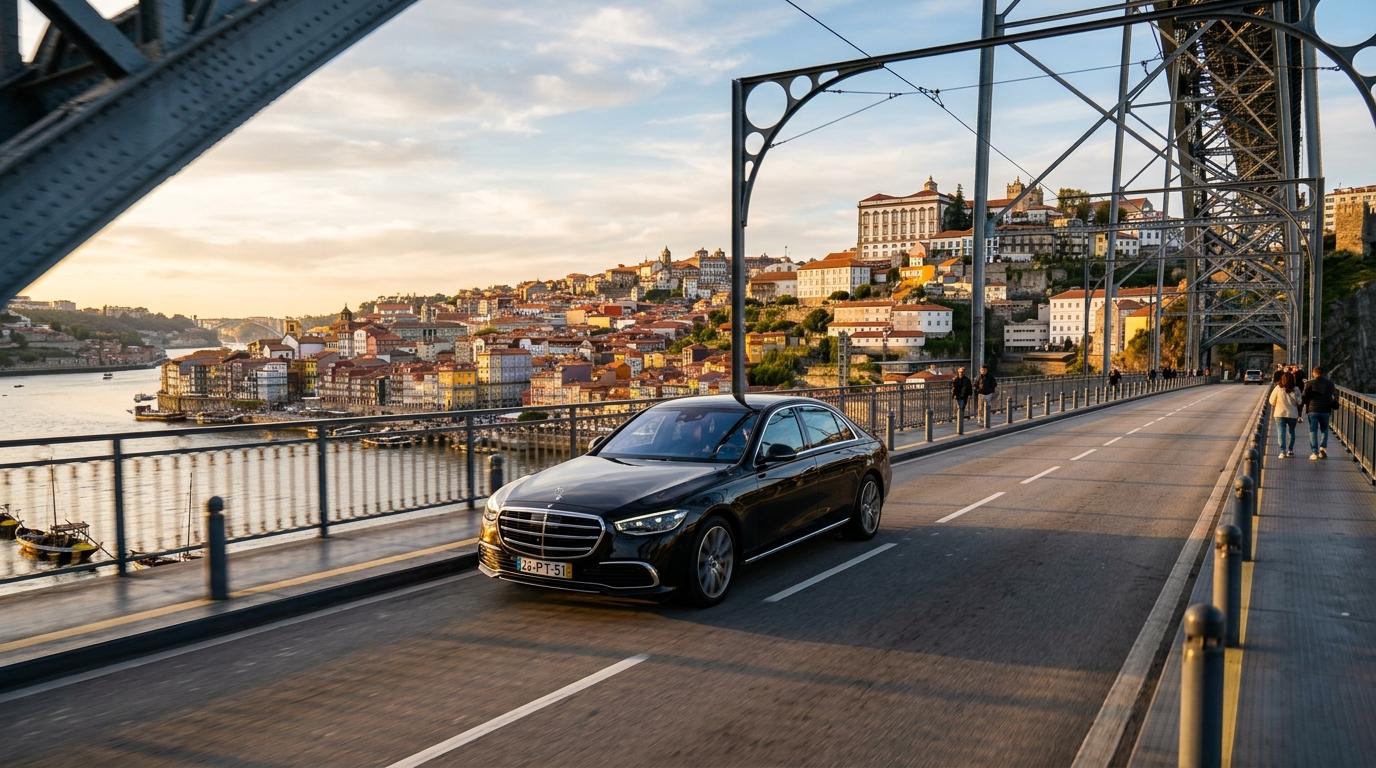
Porto is a city of historic riverbanks, steep granite hills, impressive architecture, and attractions that benefit from careful planning. The historic center is compact enough to explore on foot, but the climbs can be challenging, and several popular attractions now require timed tickets. These Porto travel tips cover the practical decisions that can make your visit easier, including where to stay, how to get around, when to book popular attractions, and how to travel from the airport.
Which Side of the River: Porto or Vila Nova de Gaia
Porto and Vila Nova de Gaia face each other across the Douro River and are connected by the Dom Luís I Bridge. Where you stay can significantly affect your experience.
The Porto side places you close to many major landmarks, including the Ribeira waterfront, São Bento Station, Clérigos Tower, and Livraria Lello. Vila Nova de Gaia offers excellent views across the river toward Porto and can provide a quieter base for some travelers.
Staying in Porto keeps many attractions within walking distance and provides convenient access to the metro. This is particularly useful for first-time visitors who want to minimize daily transport.
Within Porto, Ribeira is one of the most scenic areas but can be steep and crowded. The downtown area around São Bento and Avenida dos Aliados provides easier access to transport connections and relatively more convenient streets.
If you are arriving by air, reviewing How to Get From Porto Airport to Downtown Porto Easily before your journey can help you understand your transport options. A pre-booked transfer through Transpovia can provide direct transportation to your accommodation, particularly useful when staying on Porto's steep cobblestone streets.
Getting Around Porto
Porto's metro system is clean, efficient, and useful for traveling across the city and between the airport and downtown.
Line E connects Francisco Sá Carneiro Airport with Trindade station in central Porto. The journey takes approximately 30 minutes, depending on the service.
Travelers can use a rechargeable Andante card, which is available from ticket machines and can also be used on various public transport services.
The historic center is largely walkable. However, Porto is built on steep hills, so comfortable shoes with good grip are important.
The Funicular dos Guindais connects the lower Ribeira area with the upper part of the city near the Dom Luís I Bridge. It can save considerable effort when traveling between these two levels of Porto.
Transport fares and schedules can change, so check official transport information before relying on a particular route.
Exploring Vila Nova de Gaia
Vila Nova de Gaia sits directly across the Douro River from Porto and offers scenic riverside walks and panoramic views of the historic city.
The area can be reached easily by crossing the Dom Luís I Bridge. Walking across the upper level of the bridge provides impressive views of Porto, the Douro River, and the surrounding historic buildings.
Visitors do not need to plan an entire day in Gaia. A relaxed walk along the river and time spent enjoying the city's views can be enough for many travelers.
The area is especially convenient for photography and for travelers who want to experience Porto from a different perspective.
Booking Livraria Lello and Clérigos Tower
Livraria Lello is one of Porto's most famous landmarks. The historic bookshop is known for its detailed interior architecture and distinctive staircase.
Visitors usually need a timed-entry voucher, so booking in advance is recommended. Choosing an early time slot can help reduce waiting and avoid the busiest periods.
Nearby, Clérigos Tower offers wide views across Porto after climbing its many steps. The tower is one of the city's most recognizable landmarks and is best visited earlier in the day.
São Bento Station is another important attraction that can be visited without a separate sightseeing ticket. Its entrance hall contains thousands of traditional azulejo tiles illustrating scenes from Portuguese history.
Visiting these attractions early in the morning can provide a more comfortable experience before larger visitor groups arrive.
Best Time to Visit Porto
Late spring, particularly May and June, and early autumn, especially September and October, are generally comfortable times to visit Porto.
These periods often provide pleasant temperatures and suitable conditions for walking around the historic center.
Summer can be warmer and busier, with higher visitor numbers at popular attractions. Porto's Atlantic location can make temperatures more moderate than in some inland parts of Portugal.
Winter, from November through February, is generally mild but can be rainy and cloudy. Travelers visiting during this period should bring waterproof clothing and shoes with good grip, as Porto's stone streets can become slippery.
Sunscreen is useful throughout much of the year because sunlight can be strong, particularly along the river and in open viewpoints.
Day Trips and Places Beyond Central Porto
Porto is a convenient base for exploring northern Portugal.
Foz do Douro, where the Douro River meets the Atlantic Ocean, is an easy destination for a shorter trip. Visitors can reach the area by public transport and enjoy coastal walking routes and ocean views.
Travelers can also explore nearby historic towns and natural landscapes as part of longer trips through northern Portugal.
Many visitors combine Porto with Lisbon when traveling around Portugal. If that is part of your itinerary, Best Ways to Travel From Lisbon to Porto explains the main transport options, including train, bus, and driving.
When planning day trips, allow enough time for travel. Some destinations may appear close on a map but require longer journeys because of Portugal's terrain and transport schedules.
Frequently Asked Questions
How many days do you need in Porto?
Three full days is a comfortable amount of time for most visitors. This allows you to explore Ribeira, São Bento Station, Clérigos Tower, Livraria Lello, Vila Nova de Gaia, and other major landmarks without rushing.
Two days can also work if you focus mainly on the historic center.
Is Porto walkable?
Yes. Porto's historic center is compact and many attractions are within walking distance.
However, the city is built on steep hills, so walking can be physically demanding. Comfortable shoes with good grip are recommended, and public transport or the Funicular dos Guindais can help reduce difficult climbs.
Is Porto or Lisbon better to visit?
Both cities offer different experiences.
Porto is smaller and easier to explore in a few days, with historic streets, river views, and traditional architecture. Lisbon is larger and offers more neighborhoods, attractions, and nearby destinations.
Travelers with enough time may choose to visit both cities.
Do you need to book Livraria Lello in advance?
Booking in advance is recommended because Livraria Lello uses timed-entry vouchers and can become very busy.
An advance booking can help you select a suitable time and reduce waiting.
Before You Go
Porto rewards travelers who prepare before arriving. Choose your accommodation based on how close you want to be to the main attractions, purchase an Andante card for public transport, and book popular attractions such as Livraria Lello in advance.
Wear comfortable shoes suitable for hills and cobblestone streets, and allow extra time when walking between neighborhoods.
Crossing the upper level of the Dom Luís I Bridge is also a simple way to enjoy panoramic views of Porto and the Douro River.
For a smoother arrival, arranging an airport transfer through Transpovia in advance can provide direct transportation from the airport to your accommodation without waiting in a taxi queue.


