
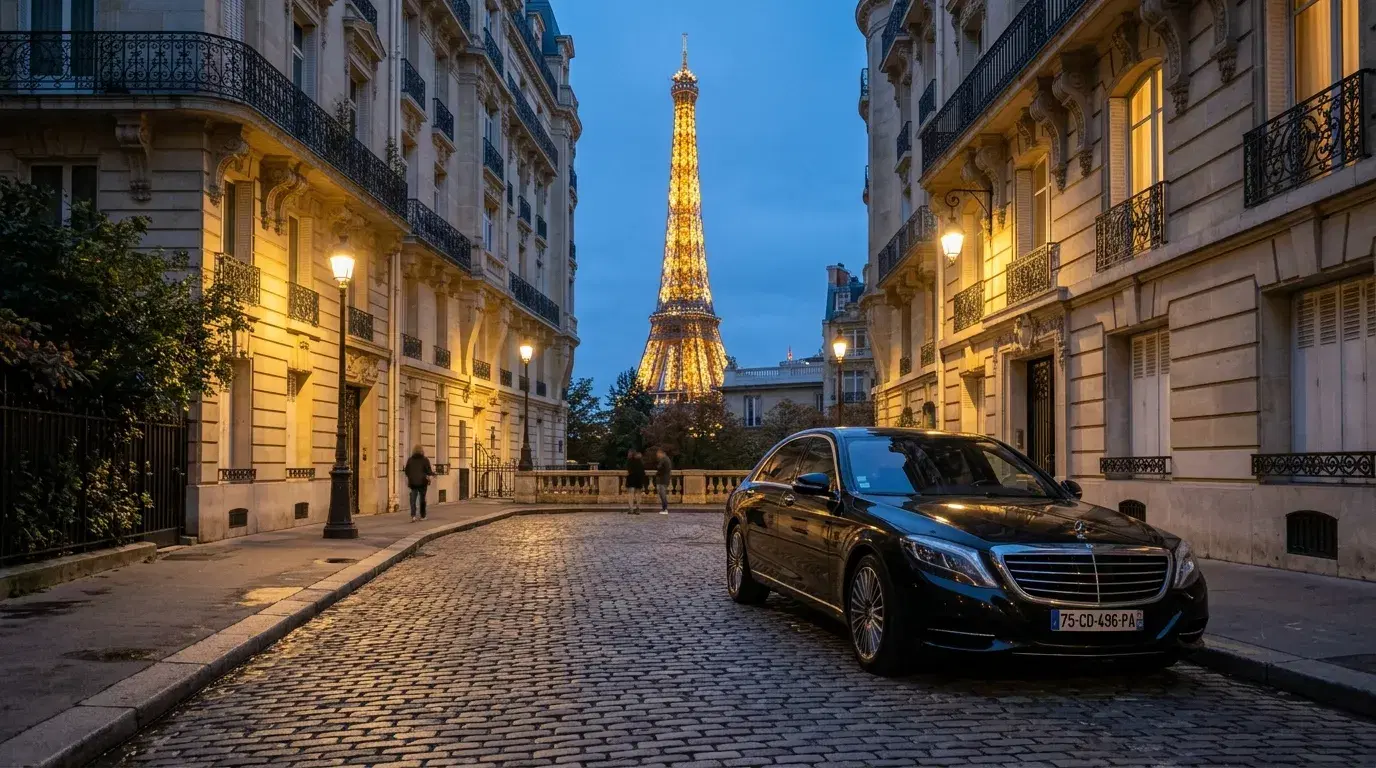
Paris rewards travelers who book early and eat like locals. Its top attractions run on timed entry that can sell out weeks ahead, its transit passes have a few catches, and the restaurants nearest the famous sights are usually the worst value in the city. The upside is that central Paris is compact and walkable once you know how it fits together. These Paris travel tips cover the decisions that shape a good trip: which sights to reserve first, how to get in from the airport, which transit ticket actually fits your stay, and how to avoid overpaying for a mediocre meal with a view.
Book the Big Sights Before You Fly
The most important Paris decision is reserving timed-entry tickets before your trip. The Eiffel Tower summit can sell out up to 60 days ahead on popular dates, and the Louvre, Versailles, and the Catacombs all use timed slots with walk-up queues that can stretch to two hours or more in peak season. Reserve these on their official sites first, then plan around the times you get.
A few specifics save real frustration. At the Louvre, budget at least three hours and use the Carrousel du Louvre entrance rather than the main Pyramid, since it usually has shorter lines. Many visitors find the Musée d'Orsay, with its top-floor Impressionist rooms, the more rewarding and manageable museum, and it rarely sells out outside July and August. If you plan three or more major sites in a couple of days, price out the Paris Museum Pass, which bundles entry to more than 50 museums and monuments and can pay for itself. Prices, hours, and booking windows change, so confirm the current details on each attraction's official website before you buy.
If you land at Charles de Gaulle, sorting out how to get from Paris Charles de Gaulle Airport to central Paris ahead of time matters more than usual, since airport transport options can change. A pre-booked transfer through a service like Transpovia gives you a fixed price and a driver at arrivals, which can reduce confusion at the terminal.
Getting In From Charles de Gaulle
From Charles de Gaulle, about 23 kilometers northeast of the center, the RER B train is a convenient budget option, reaching central stations like Gare du Nord and Châtelet-Les Halles in roughly 35 to 50 minutes. It needs the special airport ticket, which is separate from a standard metro fare. Buy it at the machine before the barrier, because inspectors on this line are active and fines for riding without a valid ticket can be steep.
Two changes can trip up recent visitors. The old direct RoissyBus was discontinued in 2026, so it is no longer an option, and official Paris taxis run a legal flat rate from CDG, which is often more predictable than a ride-hail service that can surge. Only use the official taxi rank with its white illuminated roof lights, and ignore unlicensed drivers who approach arrivals before you reach it. Fares and routes change, so verify the current options with the official transport authority before you travel.
Picking the Right Transit Ticket
Paris transit rewards matching the ticket to your stay, and the wrong choice quietly wastes money. Every major sight sits in central zones 1 and 2, covered by a single flat-fare metro ticket. For short trips, a rechargeable Navigo Easy card loaded with a carnet of 10 tickets can provide a convenient per-ride option.
The catch is the Navigo weekly pass. It can be excellent value for five days or more and may also cover airport trips, but it runs Monday through Sunday, not seven days from purchase, so a midweek arrival can reduce its value sharply. For a day of heavy riding, the Navigo Day Pass can beat single tickets. You tap in everywhere and must also tap out on the RER trains, though not on the metro or buses. The metro runs until roughly 1:15 a.m., a little later on weekends, after which a night bus or taxi may be your main public transport option.
Eating Well Without Overpaying
The fastest way to eat badly in Paris is to sit down within sight of a monument. Restaurants around the Eiffel Tower, the Louvre, and other landmarks charge for the view and do not always offer the best value. The simple fix is to walk two or three streets away from any major sight before choosing a place, where quality can improve and prices may be lower.
The bigger money-saver is timing. Lunch is where locals can often find the best value, with a two- or three-course prix-fixe menu costing less than ordering similar dishes at dinner. Make lunch your main meal and you can reduce daily food costs substantially. A few courtesies smooth things over, too: greet staff with "bonjour" on entering and "merci" on leaving, since skipping the greeting can read as rude, and remember that service is included in the bill, so tipping is generally a small round-up rather than a set percentage.
Best Time to Visit Paris
The best months to visit Paris are spring, from April to June, and early fall, in September and October, when the weather is mild and the summer crowds begin to ease. July and August bring heat, the heaviest tourist volume, and a quirk locals know well: many family-run shops and restaurants close for weeks as owners take their summer break.
Winter is cold and often gray but has real advantages, with shorter museum lines, lower hotel rates, and a festive atmosphere around the holidays. Whatever the season, Paris is a walking city, so pack comfortable shoes and plan around one major museum per day rather than stacking several, which can wear you out quickly. Many national museums also close on either Monday or Tuesday, so check each one's schedule before you build your itinerary.
Day Trips and Crossing to London
Paris makes an easy base for day trips by train. Versailles, with its palace and gardens, is a short RER ride to the southwest and deserves most of a day once you factor in the queues and the grounds. Giverny, Monet's garden, and the cathedral city of Chartres are also within simple reach by regional rail for a change of pace from the city.
Many travelers pair Paris with a trip across the Channel. If London is on your route, the Eurostar runs city center to city center in about two and a half hours, and the Transpovia guide covering what to plan for in London can help with the next part of your journey. A common mistake is treating Versailles as a quick morning outing; between the train, the palace, and the vast gardens, it fills a day, so do not stack it against other major plans.
Frequently Asked Questions
How many days do you need in Paris?
Three full days cover the icons: the Eiffel Tower, the Louvre, Notre-Dame, Montmartre, and a Seine walk, if you pre-book and start early. Four or five days let you add Versailles, a second museum, and time to enjoy neighborhoods without rushing between sights.
Do you need to book Eiffel Tower and Louvre tickets in advance?
Yes. The Eiffel Tower summit can sell out weeks ahead, sometimes up to 60 days out on busy dates, and the Louvre uses timed entry that fills quickly during busy periods. Book both through their official websites as early as you can to avoid long queues or missing out.
Is Paris safe for tourists?
Paris is generally safe, with the main risk being pickpocketing rather than violent crime. Hotspots include the RER B from the airport, the Eiffel Tower base, Châtelet station, and the Montmartre steps. Keep bags zipped and in front, be cautious with unsolicited approaches, and stay aware of your surroundings.
Is the Paris Museum Pass worth it?
It depends on your plans. The pass bundles access to more than 50 museums and monuments and can pay off if you visit three or more major sites within its validity period, such as the Louvre, Orsay, and Versailles. For a lighter museum schedule, individual timed tickets may cost less.
Before You Go
Paris rewards early planning. Reserve the Eiffel Tower, Louvre, and any timed sights before you fly, match your transit ticket to your arrival day, and walk a few streets from the landmarks before you eat. Make lunch your main meal to save money. The smoothest start is arranging your Charles de Gaulle transfer with Transpovia in advance, so a driver is waiting when you arrive rather than having to search for transport at the terminal.
"We booked the Eiffel Tower two months out and had the airport transfer arranged, so we skipped the ticket queue and the taxi confusion and were at dinner in the Marais our first night." — a couple traveling from Melbourne


