
You've got a trip planned between two of the busiest cities on the East Coast, and the options can start to feel like a puzzle. Trains, buses, cars — each one promises to get you there, but they don't all suit the same kind of traveler. Maybe you're heading to Philadelphia for a morning meeting and need to arrive on time. Maybe your budget is the thing you care about most. Sorting out a New York to Philadelphia transfer really comes down to one question: what matters more to you — speed, cost, or comfort? This guide walks through every practical option so you can choose with confidence.
Taking the Train: The Fastest Way Into the City Center
For most people, the train is the easiest choice. Amtrak runs frequent service along the Northeast Corridor, with dozens of departures a day. Trains leave from Moynihan Train Hall at Penn Station in Manhattan and arrive at Philadelphia's William H. Gray III 30th Street Station — right in the middle of the city, so you're not stuck with a long transfer once you land.
The Northeast Regional is the workhorse of this route. It usually takes about 1 hour 20 minutes to 1 hour 30 minutes and offers solid value for the money. If you're in more of a rush, the high-speed Acela can make the run in a little over an hour, though you'll pay noticeably more for those extra minutes saved. The Keystone Service, which continues on to Harrisburg, also connects the two cities and is worth checking when you compare departure times.
Fares shift depending on when you book. Ticket prices tend to climb closer to the departure date, so reserving a couple of weeks ahead usually gets you a better rate. Amtrak also runs regular discounts for students, children, seniors, and small groups, and mid-week departures often cost less than Friday or Sunday trains. Every train carries free Wi-Fi, power outlets, and a café car, which makes the time pass quickly.
A couple of small tips make the experience smoother. Both Penn Station and 30th Street Station are large and busy, so give yourself around 30 minutes before departure to find your platform without stress. At Penn Station, look for Moynihan Train Hall just west of the older concourse — that's where Amtrak now departs. And if you can, grab a seat on the left side heading south for the best views of the skyline as you pull out of Manhattan.
If you're also weighing a New York to Boston transfer on another trip, you'll notice the logic is much the same — downtown-to-downtown service, frequent departures, and fares that reward booking early. The Northeast Corridor rewards planners.
Riding the Bus: The Budget-Friendly Choice
When keeping costs low is the priority, the bus is hard to beat. Several operators run this route, including FlixBus, Greyhound, Peter Pan, and OurBus, with dozens of departures spread across the day and evening.
Most buses leave from the Port Authority Bus Terminal or nearby curbside stops in Midtown, and many drop you near the Filbert Street terminal or the Market Street area in Philadelphia, close to 30th Street Station. The two cities sit about 93 miles apart by road, and the ride typically takes around 2 hours. Heavy traffic leaving Manhattan can stretch that out, though, especially on Friday afternoons and holiday weekends, so it pays to build in a little breathing room if you have a set appointment.
Fares often start well below train prices — sometimes under $20 one-way if you book early. Most coaches include Wi-Fi, power outlets, and onboard restrooms, so the basics are covered. You trade a bit of speed and predictability for real savings, which is a fair deal when your schedule has some flexibility built in. Booking mid-week or during off-peak hours usually lands you the lowest fares.
Driving Yourself: Flexibility on Your Own Terms
Driving makes sense when you want to set your own schedule or plan to explore beyond the city center once you arrive. The two cities sit roughly 95 to 100 miles apart, and most drivers take I-95 South through New Jersey, often by way of the New Jersey Turnpike. It's a straightforward route that's easy to follow even if you're not used to driving in the Northeast.
Plan for anywhere between 1 hour 45 minutes and 2 hours 30 minutes behind the wheel. The wide range isn't an accident — traffic out of Manhattan is unpredictable, and rush hour can add a solid chunk of time. Weekends near the city can be slow too, and weather plays its part in winter. If you'd rather see a little more along the way, a slower route through Princeton and Trenton adds about 30 minutes and passes some pretty stretches of the Delaware River.
A few costs are easy to overlook. Tolls on the New Jersey Turnpike and the city approaches add up, and an E-ZPass usually lowers the rate and moves you through the plazas faster. Vehicles entering Manhattan's Congestion Relief Zone — at or below 60th Street — now face a charge as well, so factor that in if you're starting downtown. Once you reach Philadelphia, parking in the center can be pricey, which is worth weighing before you commit to the car.
Travelers arranging a New York to Atlantic city transfer often run into the same toll and traffic questions, since both routes lean on the same New Jersey highways. If you enjoy driving and value having a car once you arrive, this option delivers — just leave a buffer for the unexpected. Renting one-way is possible too, though it's usually the most expensive way to make the trip once you add tolls, fuel, and parking.
Which Option Is Right for You?
Choosing between them comes down to your priorities. Speed and comfort point toward the train, which lands you in the heart of Philadelphia with little fuss and lets you work or rest along the way. A tight budget with a flexible clock? The bus wins on price nearly every time. Craving control over your route and stops? Driving gives you that freedom, as long as you're ready for tolls, parking, and stop-and-go traffic near both cities.
There's also a lower-cost rail route worth knowing about. You can take NJ Transit to Trenton and switch to a SEPTA train into Philadelphia. It costs less than Amtrak but adds a transfer and more total time, usually landing somewhere around 2.5 to 3 hours. For budget-minded travelers who don't mind changing trains, it's a reasonable middle ground between the bus and a direct Amtrak ticket.
Booking With Transpovia
Comparing schedules, prices, and pickup points across several operators takes time. Transpovia pulls those options together so you can sort out your New York to Philadelphia transfer in one place, without jumping between different sites and tabs.
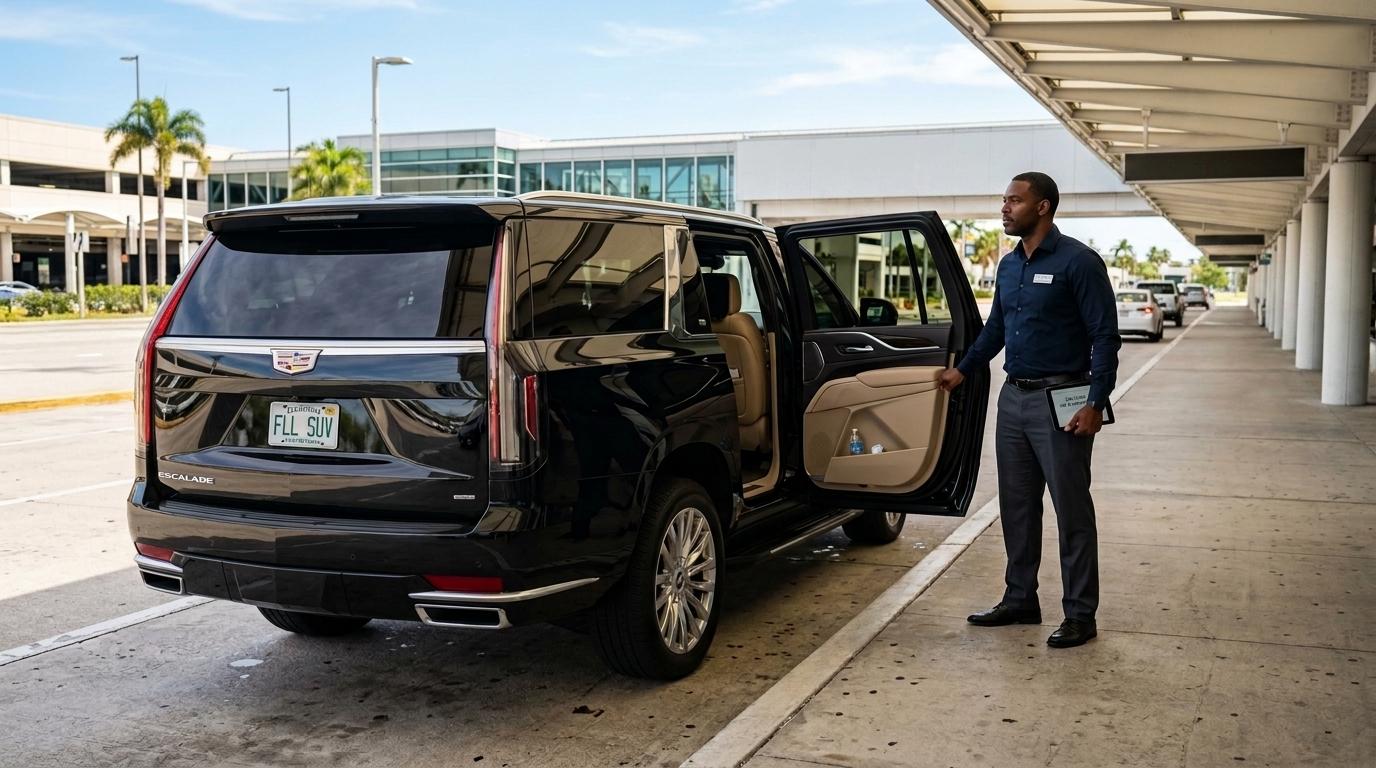
The process is straightforward. You enter your travel date along with your pickup and drop-off preferences, then review the choices side by side. From there, you pick what fits your plans and confirm your booking. If you'd rather have a private, door-to-door ride instead of a fixed schedule, Transpovia can arrange that too — a real help when you're carrying luggage or traveling as a group.
Booking through Transpovia also means clearer pricing up front, so you're not left guessing about the final cost at the terminal. For anyone who likes to plan ahead rather than figure things out on the day, it's a simple way to lock in your ride and move on to the rest of your trip.
Frequently Asked Questions
How long does it take to get from New York to Philadelphia?
By train, plan on about 1 hour 20 minutes to 1 hour 30 minutes on the Northeast Regional, or a little over an hour on the faster Acela. Buses usually take around 2 hours, and driving runs 1 hour 45 minutes to 2 hours 30 minutes, depending heavily on traffic and the time of day.
What's the cheapest way to make the trip?
The bus is normally the most affordable, with early-bird fares sometimes dropping under $20 one-way. A regional rail combination using NJ Transit to Trenton and SEPTA into Philadelphia can also save money, though it takes longer because of the transfer.
Do I need to book in advance?
For trains and buses, it's a good idea. Booking early almost always gets you a lower price, since fares tend to rise as seats fill and the travel date gets closer. Last-minute tickets are usually the most expensive ones you'll find.
Before You Go
Both cities move fast, and a little planning goes a long way. Think about what you value most — a quick arrival, a low fare, or the freedom of your own car — and let that steer your choice. Check schedules and traffic close to your travel date, since timing can shift with the season and the day of the week. Sort your New York to Philadelphia transfer with Transpovia ahead of time, and the rest of the trip takes care of itself.


