
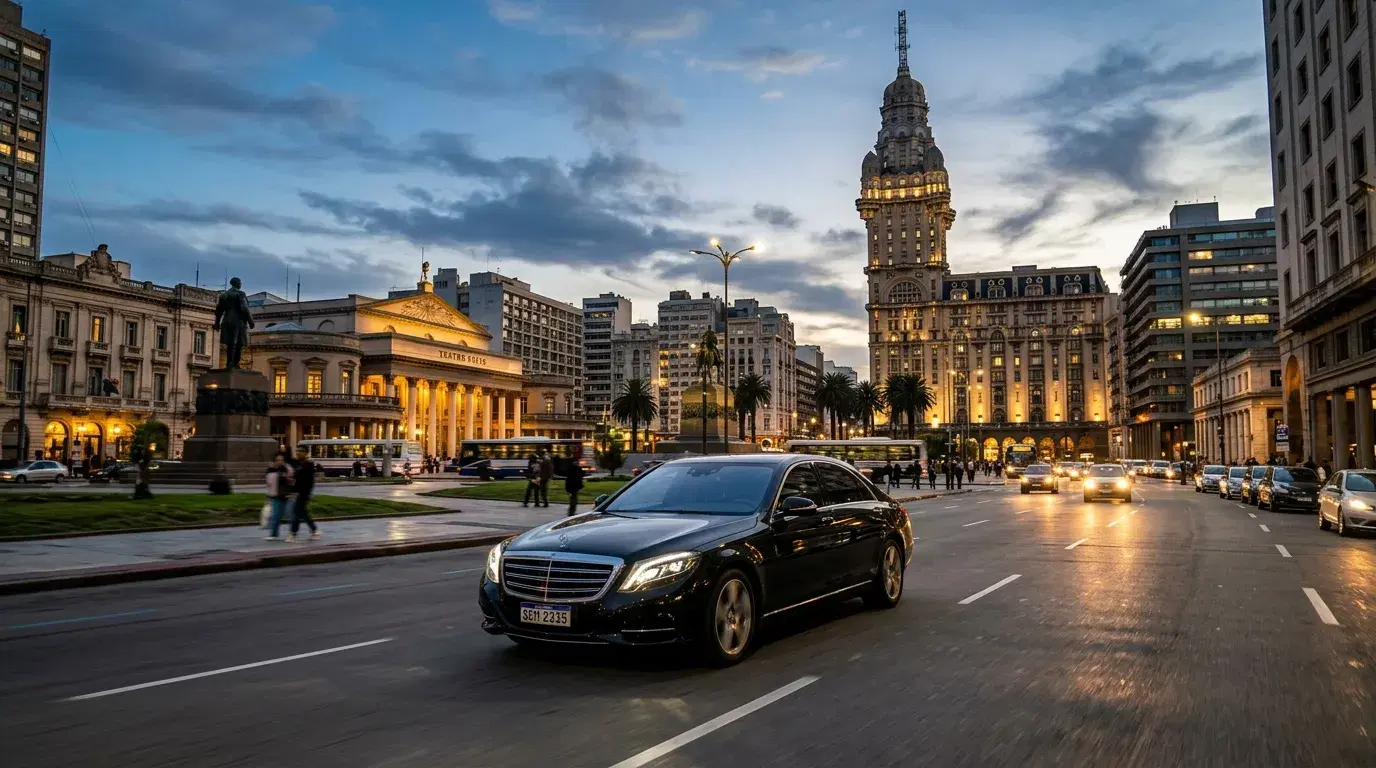
Montevideo runs at a calmer pace than its big neighbor across the river, and a few local quirks shape how you plan. The city has no metro or trains, so buses and ride apps do the work. Paying by foreign card can trim your bills through a tourist tax perk many visitors miss. And the Rambla, a waterfront promenade stretching for miles, ties the whole city together. These Montevideo travel tips cover the decisions that matter most: how you'll pay, how you'll get around, when to come, and how to spend two or three easy days.
Montevideo Travel Tips That Start With Your Card
Uruguay gives non-resident tourists a break on tax when they pay with a foreign card. Restaurants, cafés, and car rentals apply an automatic IVA (VAT) discount to your bill when you use a debit or credit card issued abroad, and hotel stays are billed tax-free for foreigners who show a passport from another country.
That single habit — reach for the card, not cash — quietly lowers your costs in a country that isn't cheap by regional standards. A few things to know:
-
The discount is automatic at the register. It's not a paperwork claim at the airport. Ask the point-of-sale operator to apply it if you're unsure, since fixing a missed discount later is a hassle.
-
Pay by card, not cash. The benefit only applies to card payments. Cash gets you nothing back.
-
Bring Visa or Mastercard. Both are widely accepted. American Express and Diners Club are rarely taken, so don't rely on them.
-
Confirm the current terms. The exact percentage and end date are set by government decree and extended periodically. Check the Ministry of Tourism's official benefits for non-resident tourists page before you travel.
Keep some Uruguayan pesos on hand anyway for buses, small kiosks, and tips, where cards aren't always an option.
Getting In From Carrasco Airport
Carrasco International Airport (MVD) sits about 20 km east of the center, roughly 30 to 45 minutes by road. You have three sensible ways into town, and the right one depends on your luggage and budget.
A ride-hailing app like Uber usually costs noticeably less than the official airport taxi for the same trip, and both drop you at your door. The metered airport taxi rank is reliable but pricier. Skip any inflated "private transfer" counter inside the terminal — stepping out to the official queue tends to cost less. If you're traveling light, city-bound buses run by companies such as COT, COPSA, and Cutcsa pass through on their way to the Tres Cruces terminal.
Many visitors are only passing through on the way to the coast. A direct COT service links the airport to Punta del Este, so read How to Get From Montevideo Airport to Punta del Este Easily if the beach is your real destination. For a door-to-door pickup after a long flight, a pre-booked transfer through Transpovia takes the guesswork out of arrival.
Getting Around a Bus-Only City
Montevideo has no subway and no passenger rail — the city moves by bus, and the network is dense and frequent. In many areas you'll wait only a few minutes. Buses generally run from early morning until about 11 p.m.
Buy a rechargeable STM card at a kiosk and tap on board; fares are cheaper than paying the driver in cash, and Google Maps handles route planning well. After the buses stop for the night, Uber is the easy fallback. Street taxis work too, but their pricing can be confusing — meters map to a printed fare chart — so an app that shows the price upfront saves any dispute. The central neighborhoods are flat and walkable, which makes short hops on foot the simplest option of all.
The Rambla and How to Use It
The Rambla is Montevideo's signature: a continuous waterfront promenade running more than 20 km along the Río de la Plata, past beaches, parks, and neighborhoods. It's free, flat, and open all day, which makes it the city's best walking and cycling route.
Locals treat it as an outdoor living room — jogging, sipping mate, and gathering at dusk. Late afternoon into sunset is the prettiest stretch of the day and a reliable photo window, especially near Pocitos beach and Parque Rodó. Stick to the busier sections after dark, as quieter stretches thin out at night.
Neighborhoods Worth Basing Yourself In
Where you stay shapes your days. A quick guide to the main areas and who each suits:
-
Ciudad Vieja — The historic Old Town, home to Plaza Independencia, the Palacio Salvo, Teatro Solís, and the Mercado del Puerto. Best for first-timers who want landmarks and atmosphere within walking distance, though it grows quiet at night.
-
Centro — Central and practical, good for transit connections and everyday value.
-
Pocitos — A relaxed beach neighborhood with a lively Rambla stretch. A comfortable, safe-feeling base for a first trip.
-
Punta Carretas — Upscale and calm, with a lighthouse, a mall built inside a former prison, and easy Rambla access.
-
Carrasco — Leafy and residential near the airport, handy for a short first or last night.
These are among the top Montevideo tourist attractions and the areas that hold the most things to do in Montevideo without long transit rides.
Food, Mate, and Local Habits
Uruguay takes grilling seriously. The Mercado del Puerto in Ciudad Vieja is the classic spot for an asado (grilled meat) lunch; it's busiest on weekends, so arrive early or expect a wait. The chivito, a loaded steak sandwich, is the national favorite and worth ordering at least once.
A few customs catch visitors off guard. You'll see people everywhere carrying a thermos and a gourd — that's mate, a shared herbal tea woven into daily life. Tap water is safe to drink citywide. Tipping around 10 percent is standard. And one common misunderstanding: while cannabis is legal in Uruguay, sales are limited to registered residents through pharmacies, so tourists can't legally buy it.
Planning One to Three Days and Day Trips
A tight Montevideo itinerary works well because the highlights cluster. One day covers Ciudad Vieja and a walk along the Rambla. With two or three days, add Pocitos and Punta Carretas, a long Rambla ride, and a leisurely Mercado del Puerto lunch.
For a day trip, Colonia del Sacramento — a UNESCO-listed colonial town — is a few hours west by bus from the Tres Cruces terminal. Punta del Este draws beachgoers in summer. And the fast ferry across the Río de la Plata reaches Argentina in a few hours; if you're tempted to cross, start with Best Things Travelers Should Know Before Visiting Buenos Aires before you book.
FAQs
How many days do you need in Montevideo?
Two full days cover Ciudad Vieja, the Rambla, and a beach neighborhood without rushing. One day works if you focus on the Old Town. Add a third day for Colonia del Sacramento or a slow coastal afternoon.
What is the best time to visit Montevideo?
Warm, lively weather runs from December through March, peak beach season, though the city can feel emptier in January as locals head to the coast. Spring and fall bring mild days and thinner crowds — comfortable for walking and sightseeing.
Is Montevideo safe for tourists?
It's calm by regional standards with normal city caution. Keep valuables discreet, and be more alert around Ciudad Vieja and the port at night, when those areas quiet down.
Do you really get a tax discount for paying by card?
Yes. Non-residents using a foreign debit or credit card receive an automatic VAT discount on restaurant and car-rental bills, and tax-free hotel stays. Confirm the current rate on the Ministry of Tourism site before you go.
Before You Go
Lock in your airport ride, pick up an STM card early, and keep a foreign card handy at every meal to trigger the tax discount. Confirm the current VAT terms and any seasonal closures before you travel. If a smooth pickup or a coast-bound transfer matters most, booking through Transpovia in advance keeps arrival simple.
"The card discount surprised us at dinner the first night, and the Rambla walk to Pocitos ended up being the highlight of the trip." — a couple visiting from Chicago.


