
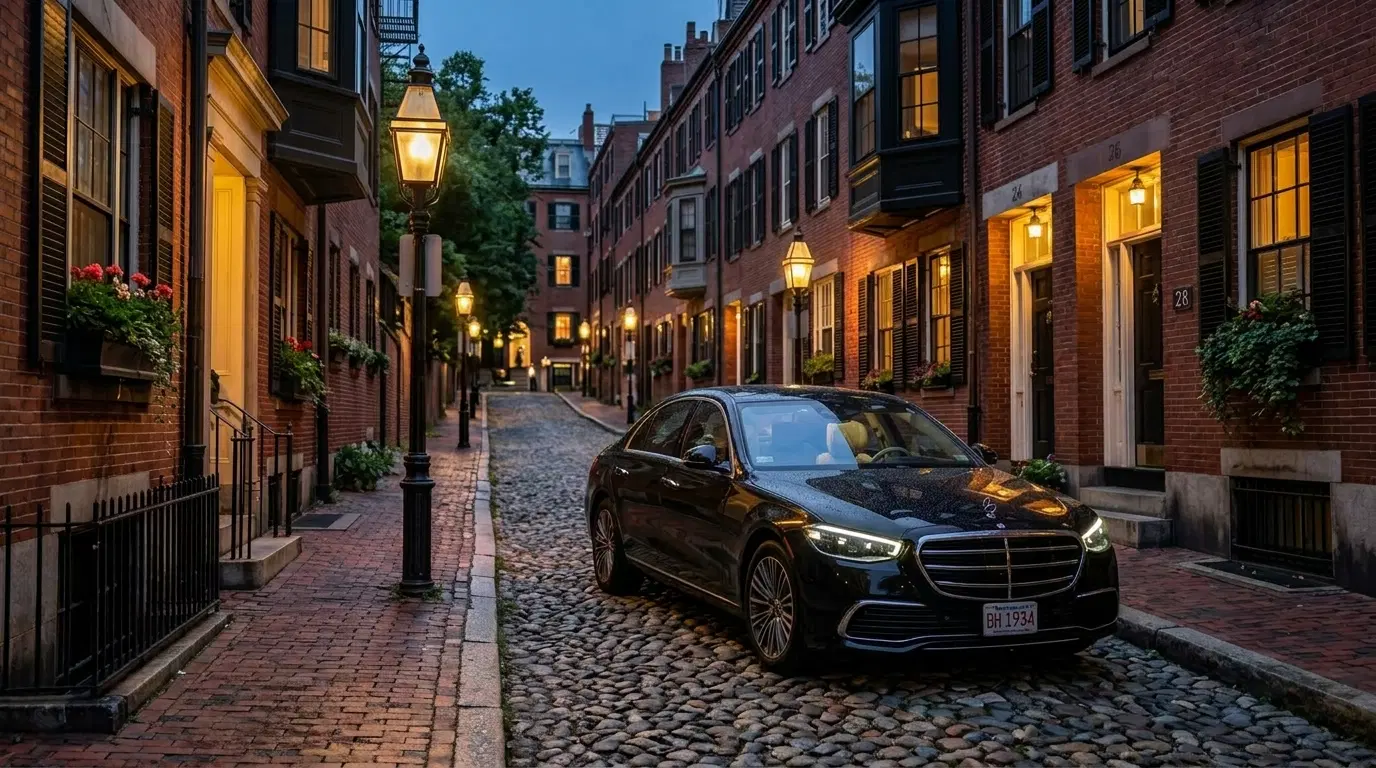
Boston looks small on a map, and that's exactly what catches people out. You can walk from Beacon Hill to the North End in twenty minutes, then lose half an hour on the wrong Green Line platform. Add timed museum tickets, sites that close on Tuesdays, weather that shifts by the hour, and the extra crowds arriving for America's 250th anniversary, and a little planning pays off. These Boston travel tips cover what to book ahead, what to skip, and what you can simply walk to.
Getting In From Logan Airport Without Overpaying
Logan International sits about three miles from Downtown Boston, so no option takes very long. The Silver Line SL1 bus is free in the airport-to-city direction and reaches South Station in roughly 20–30 minutes. The Blue Line costs $2.40 and needs a free Massport shuttle first. Taxis and rideshares are fastest with luggage, and most expensive in traffic.
|
Option |
Cost |
Time to downtown |
Best for |
|
Silver Line SL1 |
Free from the airport |
20–30 min |
Downtown, Seaport, Red Line connections at South Station |
|
Blue Line + free Massport shuttle |
$2.40 |
20–30 min |
State Street, Government Center, North End, Back Bay |
|
Logan Express coach |
Flat fare |
20–30 min |
Back Bay hotels, groups with more luggage |
|
Ferry to Long Wharf |
Ferry fare |
Short harbor crossing |
Waterfront hotels in good weather |
|
Taxi or rideshare |
Varies with demand |
15–30 min |
Late arrivals, families, heavy bags |
Two things decide the choice: your bags and your arrival time. The SL1 picks up curbside at every terminal, but luggage space gets tight at rush hour, and road traffic through the Sumner and Ted Williams tunnels can add 20 minutes or more on weekday evenings.
Late arrivals need a different plan. Subway and Silver Line service stops around 1 AM, so a flight landing after midnight leaves you with taxis or something arranged in advance. Families with car seats, groups with four suitcases, or anyone facing a pre-dawn departure usually do better with a fixed-price transfer booked ahead — that's where a service like Transpovia removes the guesswork at the curb. Current routes and fares are listed on the MBTA's Logan Airport page.
Boston Transportation Tips: Making The T Work For You
A single subway ride costs $2.40 and a local bus $1.70. You can tap a contactless card, phone, or watch at the gate, so most visitors don't need a CharlieCard at all. A 1-Day Pass is $11 and a 7-Day Pass is $22.50, which means the weekly pass pays for itself at roughly ten subway rides. Fares change, so confirm on the MBTA fares page before you travel.
The mistake first-time riders make is the Green Line. West of Copley it splits into four branches — B, C, D and E — that end up in completely different parts of the city. Check the letter on the front of the trolley, not just the color. It also helps to learn "inbound" and "outbound": inbound means heading toward the downtown core around Park Street, Downtown Crossing, State, and Government Center.
Service runs roughly 5 AM to 1 AM, and there's no overnight train. To catch the final connections, be at a downtown station by about 12:35 AM Sunday through Thursday, or 1:30 AM on Friday and Saturday. Unlike New York, where the subway runs around the clock, Boston nights end earlier — worth noting if you're planning a wider East Coast trip using New York Travel Tips alongside this one.
Two details that rarely make the guides: many older stations still have no elevator, so check the station page if you're using a wheelchair or stroller, and the $10 weekend Commuter Rail pass gives unlimited Saturday and Sunday travel, which makes Salem, Concord, or Rockport cheap day trips.
Walking The Freedom Trail Without Wrecking Your Day
The Freedom Trail is a 2.5-mile red-brick line linking 16 historic sites from Boston Common to Charlestown. Following it costs nothing. Five sites charge admission, and a brisk walk takes about two hours — add museum stops and it becomes most of a day.
Start before 10 AM if you can. Interest in Revolutionary sites is unusually high while the country marks its 250th anniversary, so timed tickets at the paid stops sell out earlier than usual. Check current opening times on The Freedom Trail's official site, since hours change seasonally.
The USS Constitution at the end of the trail is free, but it's an active Navy ship. Visitors 18 and older need a valid photo ID, everyone passes through a security screening, and the ship opens on a limited schedule — confirm days and times with the National Park Service before making the walk out there.
Two practical points. Brick and cobblestone sidewalks in Beacon Hill and the North End are genuinely uneven, so leave the new shoes at home. And don't walk back the way you came: the ferry from the Charlestown Navy Yard to Long Wharf saves your legs and gives you the best skyline view of the day.
Where To Stay, And How The Neighborhoods Connect
Boston's center is compact enough that most visitors walk between neighborhoods rather than ride. The question isn't distance, it's atmosphere and price.
|
Neighborhood |
Suits |
Trade-off |
|
Back Bay |
First-time visitors who want shops, the Public Garden, and easy transit |
Higher room rates, busy sidewalks |
|
Beacon Hill |
Quiet evenings and photogenic streets |
Few hotels, steep and uneven walking |
|
North End |
Food-focused stays close to the Freedom Trail |
Narrow streets, noisy on weekend nights |
|
Seaport |
Modern hotels, waterfront dining, convention travel |
Feels newer and less historic; farther from Back Bay |
|
Downtown / Waterfront |
Central for sightseeing and ferries |
Emptier after office hours |
|
Cambridge |
Harvard and MIT, better value, student energy |
One river away from the Freedom Trail |
If you're visiting for three days or fewer, staying inside the Back Bay–Downtown–North End triangle cuts your daily transit time to almost nothing.
Museum Tickets, Free Nights, And Days To Avoid
Tuesday is the quiet trap: both the Museum of Fine Arts and the Isabella Stewart Gardner Museum close that day. Plan the Freedom Trail, a harbor cruise, or Cambridge for Tuesdays and save the galleries for later in the week, when both museums also run late evening hours.
-
Museum of Fine Arts — open until 10 PM on Thursday and Friday. On the third Thursday of the month, admission after 5 PM is pay-what-you-wish with a $5 minimum, available in person on the day. Details are on the MFA's free and discounted admission page.
-
Isabella Stewart Gardner Museum — free for everyone on Thursday evenings from 5 to 9 PM, with tickets released two days in advance. Anyone named Isabella gets in free for life with ID and a reservation. See the Gardner's visitor page.
-
Boston Public Library — free, and one of the best rainy-afternoon options in the city. Bates Hall, the Sargent murals, and the Italian courtyard are open to anyone. Free guided tours run weekly and need advance registration; there's also a free audio guide.
-
Fenway Park tours — run most of the day, year-round. On game days the last tour leaves hours before first pitch and slots sell out, so book online rather than turning up.
Eating Well In A City That Fills Up Fast
The North End rewards early eaters. Dining rooms are small, several places still don't take reservations, and by 7 PM on a Friday you're queuing on the sidewalk. Arrive before 6 PM, or go on a weekday, and the same meal costs you no waiting at all.
Seafood is where Boston earns its reputation. Decide in advance whether you want a cold lobster roll dressed with mayonnaise or a warm one with butter, because most places do one well rather than both.
If your dates are flexible, Dine Out Boston brings fixed-price menus at restaurants across the city in early August, which is the easiest way to try higher-end kitchens without the usual bill. Restaurant meals are taxed, and tipping between 18% and 20% is standard.
Best Time To Visit Boston
Mid-May to late June and early September to mid-October are the strongest windows: mild days, long light, and manageable crowds. July and August bring humidity and the year's highest hotel rates. Winter is the cheapest season by a wide margin, but nor'easters can close roads and delay flights.
A few dates change how the city feels. Patriots' Day, the third Monday in April, brings the Boston Marathon, closed roads, and packed hotels — a great day to be here, a difficult one to move around. The Head of the Charles Regatta fills the riverbanks in mid-October. Ferries to the Boston Harbor Islands run only from roughly May to October, so an island day only works in season.
Travelers often combine Boston with the capital for a fuller picture of early American history, and the two cities work very differently in practice — the museum-heavy pacing described in Washington DC Travel Tips suits a rainier itinerary than Boston's walking-first one. If you're here between December and March with an early flight, booking a transfer in advance with Transpovia is worth more than the small saving of waiting for a ride in the snow.
Boston Travel Tips For Money, Safety, And Small Rules
Boston is a comparatively safe city for visitors, and the main areas stay busy into the evening. Standard urban habits still apply: keep bags closed on crowded trains, stay aware near transit hubs late at night, and stick to lit main streets rather than quiet side lanes after midnight.
On money, Massachusetts charges 6.25% sales tax, but most clothing and footwear priced at $175 or less is exempt — a real saving if shopping is part of your plan. The full rules are on Mass.gov.
Skip the rental car unless you're leaving the city. Garage rates in the center are steep, most residential streets are permit-only, and the one-way layout defeats even good satnav. Public restrooms are scarce downtown, so use libraries, museums, and larger stores while you can.
Frequently Asked Questions
How many days do you need in Boston?
Three full days covers the Freedom Trail, one major museum, a Cambridge afternoon, and a harbor trip without rushing. Two days works if you stay central and skip day trips. Five lets you add Salem, Concord, or the Harbor Islands.
Do you need a car in Boston?
No. The center is walkable and the T reaches almost everything visitors want. A car only makes sense for trips beyond the metro area, and even then, Commuter Rail often gets you there without parking costs.
Is the Freedom Trail free to walk?
Yes. Following the red brick line and visiting the outdoor sites costs nothing. Five sites along the route charge admission, and guided tours are ticketed, so a self-guided walk is the budget option.
What is the best month to visit Boston?
Late September through mid-October is the best all-round month: comfortable temperatures, fall color, and lighter crowds than summer. Late May and June are the next best, with gardens in bloom and lower humidity.
Before You Go
Book timed tickets for the paid Freedom Trail sites, keep Tuesday free of museums, and check MBTA service alerts the night before you travel. Pack layers and shoes you've already broken in. Most of Boston rewards walking, so the planning that matters most is deciding where you'll sleep and how you'll get in from Logan.
"We landed at midnight with two tired kids and a stack of luggage, and having a driver already waiting turned the worst part of the trip into the easiest. By the next morning we were walking the Freedom Trail before the crowds arrived." — Family visitor from Toronto


