
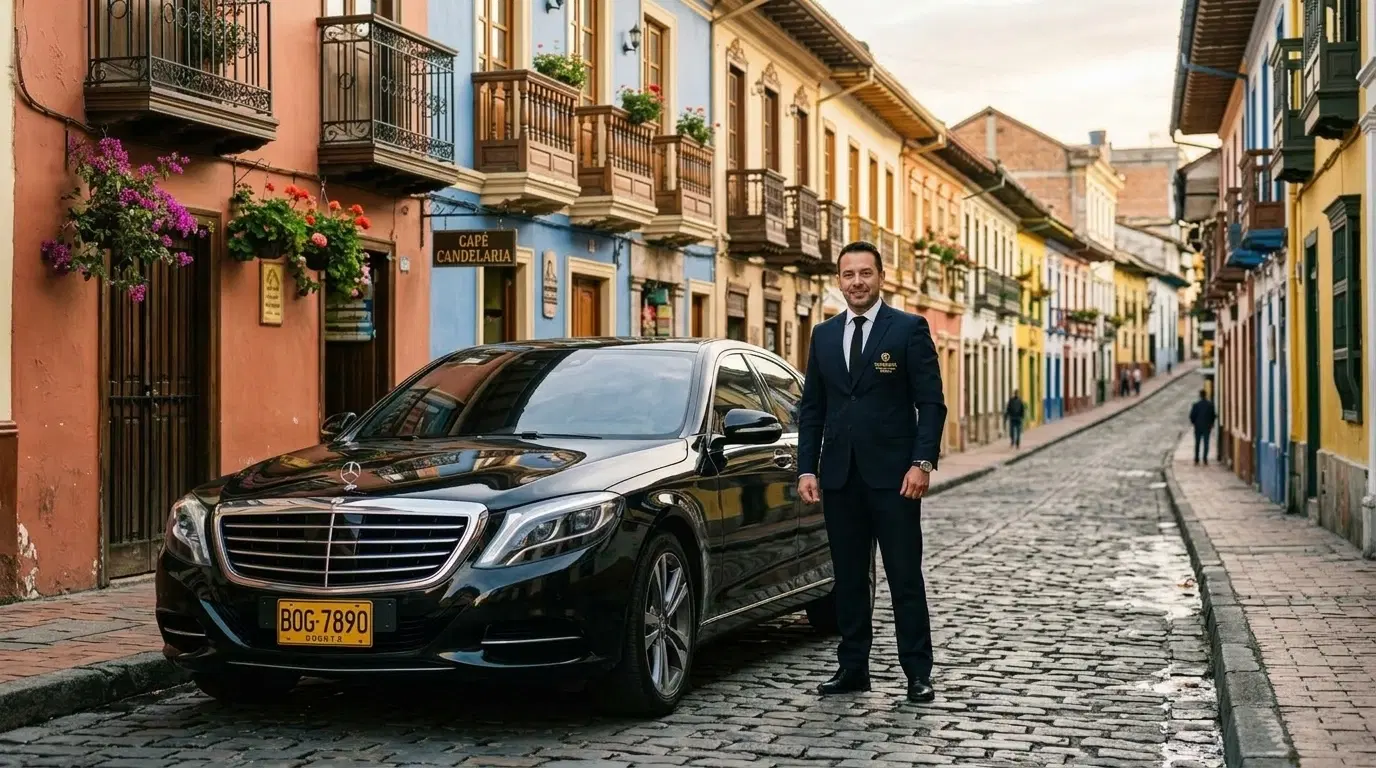
Bogotá asks a little more of first-time visitors than most capitals, and it pays off when you plan for it. The city sits high in the Andes, so the thin air and cool, changeable weather shape your first day. The airport is close, but knowing the taxi rules and the fact that there's no metro yet saves hassle. You'll choose a neighborhood, pace yourself for the altitude, and learn which sights and day trips are worth the time. These Bogotá travel tips cover the practical calls that make a first trip smoother from the moment you land.
Bogotá Travel Tips for Getting Around
El Dorado International Airport (BOG) sits about 15 kilometers west of central Bogotá, a 25-to-45-minute ride into La Candelaria depending on traffic. The city has no metro yet, so your options are a taxi, a ride-hailing app, or the TransMilenio bus system. A taxi to the center runs around 36,000 pesos under the city's published tariff.
Bogotá is one of the rare airports where the taxi fare is knowable in advance, because the city sets the rate as a base plus distance plus an airport surcharge, with a small add-on at night or on Sundays. That lands near 36,000 to 40,000 pesos for a central destination, so check the fare table. Use the official taxi rank or an app such as Uber, DiDi, or InDriver, and don't flag down street taxis, especially after dark. Tipping isn't expected, though rounding up is common.
TransMilenio is the cheapest route at under a dollar, but it needs a rechargeable "tullave" card from the arrivals kiosk and a transfer at Portal El Dorado to reach the stations near La Candelaria. It's crowded and awkward with luggage, according to TransMilenio. Families or late arrivals often prefer a fixed-price private transfer through Transpovia. For the full route breakdown, see How to Get From Bogotá Airport to La Candelaria Easily.
One orientation tip: Bogotá runs on a grid, with calles crossing east to west and carreras running north to south, so an address like Calle 26 #103-9 is easy to place once you know the pattern.
Altitude and Weather: What Bogotá's Elevation Means
Bogotá sits at about 8,660 feet, higher than Denver or Mexico City, so take the first day slowly, drink plenty of water. Most visitors feel mild effects like a headache or shortness of breath on arrival and settle within a day or two.
Save Monserrate, the mountain shrine that climbs even higher above the city, for after you've acclimatized. The funicular and cable car do the hard part, but the elevation is real. The payoff is one of the best views in Bogotá, clearest in the morning before clouds gather.
The weather is cool and changeable year-round rather than seasonal, often shifting from sun to rain within an afternoon. Daytime temperatures hover around 19°C and drop toward 7 to 9°C at night, so pack layers and a rain jacket in every month. Drier stretches fall roughly from December to March and again in July and August, while April, May, and September through November bring more rain, though it rarely lasts all day.
Where to Stay: La Candelaria and Beyond
La Candelaria is Bogotá's historic heart, a walkable grid of colonial streets, museums, and hostels, and the best base for first-timers focused on sightseeing. It's lively and safe by day but quieter and less secure at night, so stay alert after dark and take an app car back to your hotel rather than walking.
Chapinero and the Zona G area suit food lovers, with strong restaurants and a more local rhythm. Zona T, also called the Zona Rosa, is a polished shopping district, comfortable and well-patrolled. Usaquén, farther north, keeps a village feel and hosts a popular Sunday flea market.
Your choice comes down to priorities: culture and budget point to La Candelaria, dining to Chapinero or Zona G and comfort to Zona T, and a relaxed pace to Usaquén. The neighborhoods sit far apart, so pick the one that matches how you want to spend most of your time.
Things to Do in Bogotá
Bogotá's must-see is the Museo del Oro, or Gold Museum, one of the world's great collections of pre-Hispanic goldwork and an easy walk from La Candelaria. Pair it with the free Museo Botero nearby and the colonial Plaza de Bolívar to fill a strong first day of sightseeing.
Plan indoor sights carefully, since many museums close on Mondays, the Gold Museum among them. The street-art scene in La Candelaria comes alive on a graffiti walking tour, where guides explain the murals and the artists behind them.
Here's a local highlight most guides skip: on Sundays and holidays, the Ciclovía closes major avenues to cars from morning until early afternoon, and the city fills with cyclists, joggers, families, and food stalls. It's free, it's genuinely local, and it's one of the best ways to see how the city moves. Confirm hours and ticket details on official sites, since they change.
Easy Day Trips and Extending Your Colombia Trip
The standout day trip is the Salt Cathedral of Zipaquirá, a working church carved inside an old salt mine about 90 minutes north, dim and dramatic and unlike anything in the city itself. Reach it by bus from the Portal del Norte or by organized tour, and go on a weekday to avoid the weekend crowds.
For a longer outing, the whitewashed colonial town of Villa de Leyva rewards an overnight with its enormous main plaza and slow pace. Many travelers pair Bogotá with Medellín on a Colombia trip, and the two cities feel completely different in climate and rhythm; the Best Things Travelers Should Know Before Visiting Medellín covers that side of the route.
Staying Safe in Bogotá
Bogotá is manageable with normal big-city caution. The local phrase is "no dar papaya"—don't hand anyone an easy opportunity—which mostly means keeping your phone and valuables out of sight, especially on crowded TransMilenio buses and in the center.
Use Uber, DiDi, or an app-booked taxi rather than hailing on the street, particularly at night. One risk worth naming plainly is drink-spiking, which sometimes targets travelers who accept drinks from strangers so keep an eye on your drink and be careful about leaving with people you've just met.
La Candelaria is fine to walk by day but calls for a car after dark. A welcome plus for the region: Bogotá's tap water is generally safe to drink. For current guidance, check your government's travel advisory before you travel.
Frequently Asked Questions
Does the altitude in Bogotá affect visitors?
It can. At about 8,660 feet, Bogotá sits higher than Denver, and some people feel headaches or shortness of breath at first. Drink extra water and most visitors adjust within a day or two.
Is Bogotá safe for tourists?
It's manageable with caution. Keep valuables discreet, use ride-hailing apps instead of street taxis, watch your drink, and enjoy La Candelaria by day while taking a car back at night. Check your country's travel advisory.
How many days do you need in Bogotá?
Two to three days cover the main museums, La Candelaria, Monserrate, and a day trip to the Salt Cathedral of Zipaquirá. Add more if you're pairing the city with other regions of Colombia.
What is the best area to stay in Bogotá?
La Candelaria is best for first-time sightseeing, Chapinero and Zona G for food, and Zona T for comfort. Usaquén suits travelers wanting a quieter, village-like base.
Before You Go
Take the first day slow for the altitude, pack layers and a rain jacket whatever the month, and use app cars instead of street taxis. Keep your phone tucked away downtown, and save Monserrate for once you've adjusted to the elevation. A pre-booked airport transfer through Transpovia smooths the arrival after a long flight.
"We slowed down our first day, sipped hot chocolate against the cold, and let the altitude settle before climbing Monserrate. By day two Bogotá felt like ours—gray skies, great museums, and all." — a couple on their first trip to Bogotá


