
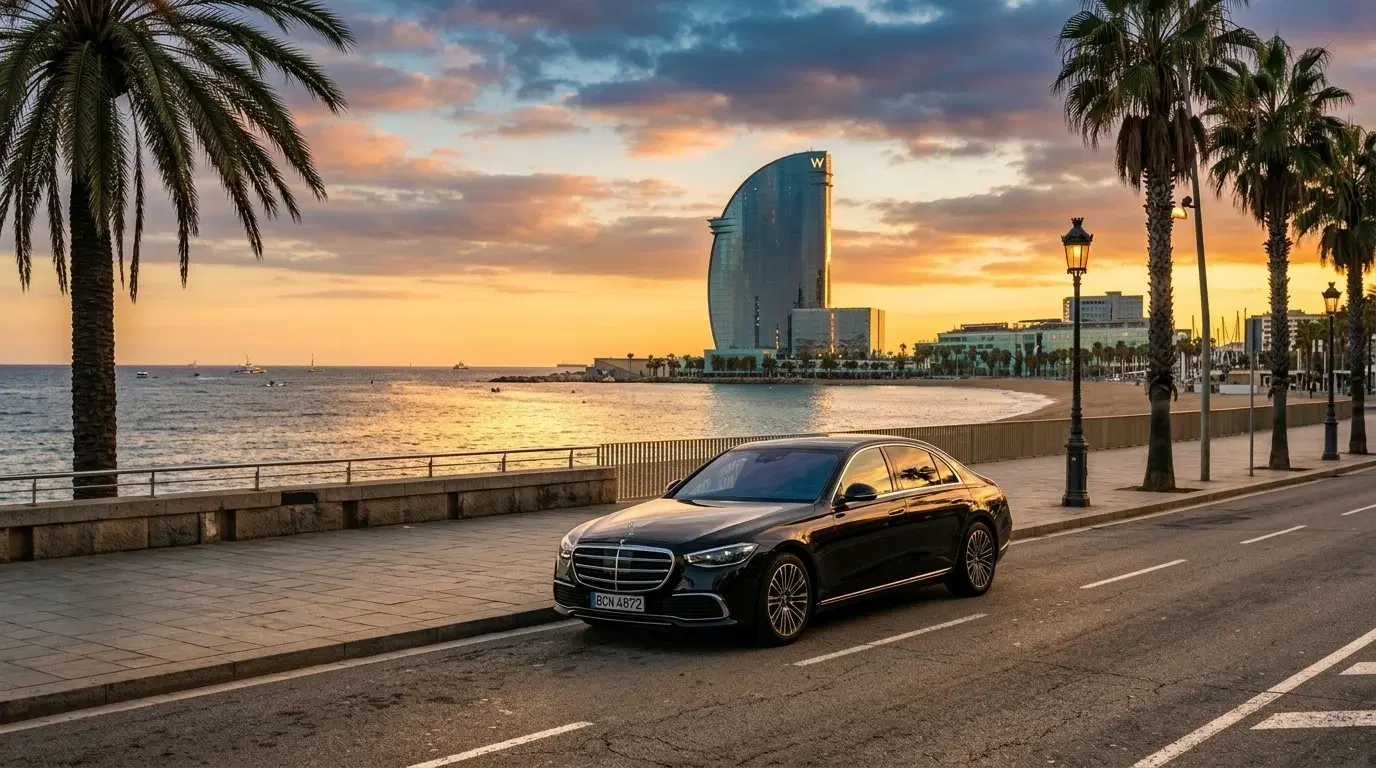
Barcelona rewards travelers who book ahead and understand how to navigate its busiest areas. Its headline attractions often use timed entry, while popular streets and public transport can become crowded. The good news is that the city is compact, walkable, and easy to navigate once you understand the system. These Barcelona travel tips cover the decisions that matter most: which Gaudí sites to reserve early, where to base yourself, how to handle Las Ramblas, and how to get in from the airport without unnecessary confusion.
Book the Gaudí Sites Before Anything Else
The single most important Barcelona decision is booking the Sagrada Família and Park Güell well in advance. Both attractions use capacity-controlled admission, and popular time slots can sell out during busy periods. Reserve them first, then build the rest of your itinerary around those time slots. Barcelona's tourism authority also recommends advance booking for these major attractions.
For the Sagrada Família, decide early whether you want tower access, which requires a different ticket option. The interior, with its distinctive architecture and stained-glass windows, is the main attraction for many visitors, so the standard admission is sufficient for those who do not want tower access.
Park Güell's monumental area uses timed admission. An early visit can help you avoid the busiest periods and the strongest midday heat. Casa Batlló and Casa Milà (La Pedrera) are also popular attractions worth planning ahead.
Prices, opening hours, and ticket options can change, so confirm current details through each attraction's official website before your visit.
If you're arriving by air, sorting How to Get From Barcelona Airport to City Center Easily ahead of time can save confusion. A pre-booked transfer through a service like Transpovia can take you directly to your accommodation with your luggage.
Getting Around Barcelona
Barcelona's metro is fast and extensive, making it one of the easiest ways to travel around the city.
The T-Casual ticket is useful for many journeys around Barcelona, while airport transportation has separate ticket and fare rules depending on the service you choose. Check the current ticket conditions before purchasing.
The airport metro provides a direct connection toward central Barcelona, while taxis and airport buses offer additional options. Around the city, much of the central area is easily walkable.
Plaça de Catalunya, the Gothic Quarter, El Born, and other central districts can often be explored on foot. Use public transport for longer journeys or destinations farther from the historic center.
Barcelona has an extensive public transport network connecting the city center with major arrival points and attractions.
What to Do About Las Ramblas
Las Ramblas, the pedestrian boulevard between Plaça de Catalunya and the waterfront, is one of Barcelona's best-known streets. The avenue is about 1.2 kilometers long and passes several notable landmarks, including the Boqueria Market and the Gran Teatre del Liceu.
It is worth walking along once to experience the architecture, markets, and atmosphere. However, the area can become extremely crowded, particularly during the busiest hours.
Walk it earlier in the day when possible, then explore nearby parts of the Gothic Quarter, where narrow historic streets, plazas, and architectural landmarks offer a different experience.
Keep your phone, wallet, and passport secure throughout the busiest parts of the boulevard and other crowded tourist areas.
Best Neighborhoods to Base Yourself
The Eixample is an excellent area for a first visit. Its broad streets provide convenient access to major Gaudí attractions, public transportation, shops, and restaurants.
The Gothic Quarter and El Born suit travelers who want to stay close to historic architecture and central attractions. Barceloneta is a good choice for travelers who want easy access to the waterfront and beach.
The Eixample is central without being as concentrated as the oldest parts of the city. It also places visitors near Casa Batlló, Casa Milà, and many examples of Barcelona's modernist architecture.
The Gothic Quarter and El Born are dense historic districts with narrow streets and numerous attractions. Barceloneta and the waterfront offer a different atmosphere, while Gràcia provides a more residential environment with plazas and local shops.
Choose Eixample for convenience, the Gothic Quarter or El Born for historic surroundings, Barceloneta for the waterfront, and Gràcia for a quieter neighborhood atmosphere.
Best Time to Visit Barcelona
The best months to visit Barcelona are generally the shoulder seasons, particularly April through June and September through early November. Temperatures are usually comfortable for sightseeing, while visitor numbers can be lower than during the busiest summer period.
July and August bring higher temperatures, humidity, and heavier tourist crowds. Popular attractions and beaches can become particularly busy.
Barcelona remains relatively mild during winter compared with many other European destinations. A winter visit can mean fewer visitors and shorter waits at some attractions.
Catalonia also applies a tourist tax to overnight accommodation, so include it when planning your travel budget.
Tap water is generally suitable for drinking, and carrying a reusable bottle can be convenient during long sightseeing days. Barcelona's tourism authority also recommends carrying water and sunscreen when exploring the city.
Day Trips and Reaching Barcelona
Barcelona is an excellent base for day trips by train.
Montserrat is approximately an hour from Barcelona and combines mountain scenery, a historic monastery, and walking routes. Visitors can use rail connections along with the mountain railway or cable car.
The Costa Brava provides coastal scenery and smaller seaside towns, while Figueres is home to the Dalí Theatre-Museum.
Many travelers combine Barcelona with Madrid. If you're coming from or continuing to Madrid, Best Ways to Travel From Madrid to Barcelona compares the high-speed train with flying and driving so you can choose the option that best fits your itinerary.
A common mistake is treating Montserrat as a short outing. Between transportation, the mountain facilities, walking routes, and sightseeing, it can take most of a day.
Frequently Asked Questions
How many days do you need in Barcelona?
Three full days cover the main attractions comfortably: one day for the Sagrada Família and Eixample architecture, one for the Gothic Quarter and waterfront, and one for Park Güell and Gràcia or the beach.
Add a fourth day if you want to visit Montserrat or the Costa Brava.
Do you need to book Sagrada Família tickets in advance?
Yes. Advance booking is strongly recommended, particularly during busy travel periods. The Sagrada Família offers timed visits and different ticket options, including tickets with tower access.
Book through the official website and select your preferred visiting time before planning the rest of your day.
Is Barcelona safe for tourists?
Barcelona is generally safe for visitors, but pickpocketing is a major concern in crowded areas such as Las Ramblas, public transport, beaches, and major attractions.
Keep valuables secure, avoid displaying expensive belongings, and remain particularly alert when moving through crowded areas.
Is Barcelona walkable?
Yes. Much of central Barcelona, including the Gothic Quarter, El Born, and Eixample, can be explored comfortably on foot.
Walking is an excellent way to appreciate the city's architecture. Use public transportation for longer journeys and destinations farther from the center.
Before You Go
Barcelona rewards careful planning. Reserve the Sagrada Família and Park Güell first, choose accommodation close to the areas you want to explore, and learn the public transport options before arriving.
Treat Las Ramblas primarily as a sightseeing walk, remain alert in crowded areas, and keep your valuables secure.
Allow room in your budget for the tourist tax and check current attraction and transportation information before traveling.
The smoothest start is arranging your airport transfer with Transpovia in advance, so a driver is waiting when you arrive rather than leaving you to navigate airport transportation with luggage.
With the main logistics handled beforehand, you can focus on Barcelona's architecture, historic districts, museums, parks, beaches, and cultural landmarks.


